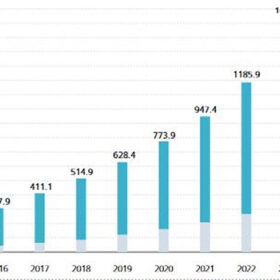
2024 PV Trends: Global growth and challenges
Amid a backdrop of massive installations and evolving metrics, IEA-PVPS 2024 “Trends Report” encapsulates significant shifts in photovoltaic deployment across the globe, reflecting PV’s evolving role in energy systems and underscoring its capacity to meet global demands. The association explores the trends identified in the report, noting the milestones, regional dynamics, and the implications of increased PV penetration in energy grids worldwide.
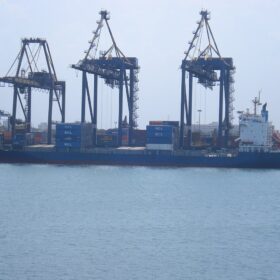
India’s PV module exports continue to surge
India’s PV module exports surged 23-fold from fiscal 2022 to fiscal 2024, positioning the nation to potentially replace Southeast Asian countries as a top solar exporter to the US market, according to a new report by the Institute for Energy Economics and Financial Analysis (IEEFA) and JMK Research.
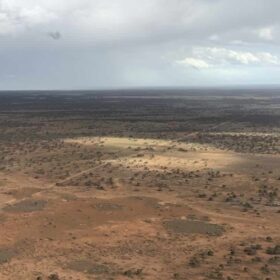
Developers seek approval for 70 GW green energy hub in Australia
A consortium has submitted a 70 GW solar and wind project proposed for Western Australia’s Goldfields–Esperance region to the state government for environmental approval.

Jordan’s new electricity law encourages investment in energy storage
The new law aims to improve the efficiency and reliability of Jordan’s electricity infrastructure and introduces the concept of energy storage in the country’s legislation for the first time.

Italy allocates 322 MW of PV in latest renewables auction
The Italian authorities have allocated 410.6 MW of renewables capacity in the nation’s 15th procurement exercise for clean energy. Developers have offered a maximum discount ranging between 2.01% and 5.35% from the auction ceiling price of €0.07778 ($0.08272)/kWh.

Nepal allocates 960 MW in PV tender with lowest bid of $0.037/kWh
The Nepalese authorities had originally planned to allocate 800 MW of PV capacity through the procurement exercise. The 64 selected projects range in size from 5 MW to 50 MW.

Bahrain launches tender for 44 MW solar plant
The solar project is planned to be located at the University of Bahrain’s campus.

French development agency backs South African pumped hydro storage project
Agence Française de Développement has signed a ZAR 125 million ($7 million) grant agreement with South African utility Eskom to support the development of a hydro storage system project.
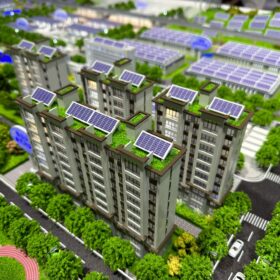
Global PV demand to hit 469 GW and 533 GW this year, says PV Infolink
PV InfoLink says that Chinese solar demand will reach between 240 GW and 260 GW this year, while European demand will hit 77 GW to 85 GW.
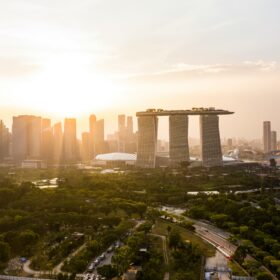
Pathway to Singapore’s solar development
Singapore could import large quantities of low-cost solar power from neighbouring countries using undersea cables, with the indicative cost being competitive with gas generation. Unlimited world-class pumped hydro energy storage is available in neighbouring countries in the range 50-5000 GWh to support very large scale transmission.
