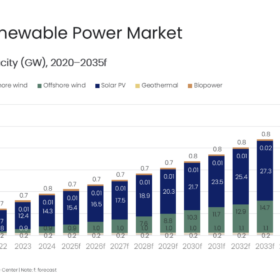
Taiwan on track to deploy 31.2 GW of solar by 2035
UK-based GlobalData says Taiwan is on course to more than double its current solar capacity by the end of 2035.

India tenders 1 GW of pumped storage to bolster grid-scale energy storage
India has opened bidding for up to 1 GW and 8 GWh of pumped storage capacity, seeking long-duration energy storage projects to supply power distribution companies and other buyers under long-term contracts.
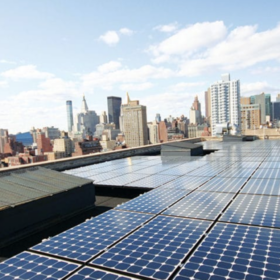
PV industry urges New York City to double solar target, add 2 GW of storage
A US solar industry group has outlined a nine-point policy agenda calling on New York City’s incoming mayor to accelerate rooftop solar and battery deployment to address grid reliability risks, energy costs and climate targets.

Solar to occupy no more than 0.6% of UK farmland by 2030
The UK Department for Energy Security and Net Zero (DESNZ) said in response to a recent Freedom of Information (FoI) request that even if all future solar projects under its solar roadmap were ground-mounted, they would occupy no more than 0.4% of the United Kingdom’s total land area.

Installers misread what homeowners want from home batteries
While resilience remains a key driver for homeowners to adopt residential battery storage, it’s not as high on the priority list for most customers as many installers believe.

China commissions world’s largest 1 GW open-sea offshore solar project
China has brought a 1 GW offshore solar power plant online off the coast of Dongying, Shandong province, combining PV with energy storage and aquaculture in what is now the world’s largest open-sea solar project in commercial operation.

CATL confirms significant upgrade to sodium-ion battery product range and scale into 2026
CATL announced it expects a new trend of “sodium and lithium batteries shining brightly together.”

Silver hits record high of $83.62 an ounce
Silver prices have surged to record levels over the past week, surpassing $80 an ounce after China said it plans to restrict silver exports in 2026.
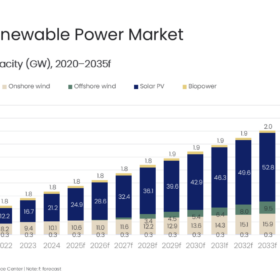
Poland projected to reach 59.1 GW of solar by 2035
London-based consultancy GlobalData says Poland could add between 3 GW and 4 GW of solar annually through to the middle of the next decade.
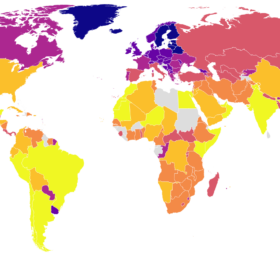
Global solar generation topped 540 GW in April, says Solcast
In a new weekly update for pv magazine, Solcast, a DNV company, reports that the global peak of solar output in 2025 occurred on April 29, at 06:00 UTC, estimated at 539 GW.
