Solar stocks plummet, market is ‘wildly emotional’ about Trump
Solar stocks have fallen since Donald Trump’s election, but Sunnova CEO John Berger says the market is misjudging the strength of the industry under the new administration.
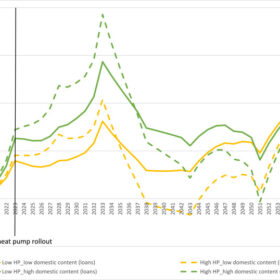
Heat pump rollout could mitigate impacts of higher energy prices
Researchers simulated the United Kingdom’s heat pump rollout through 2050, finding that expansion strategies could help to mitigate high energy prices. They used the UKENVI computable general equilibrium (CGE) model of the UK economy to project a range of scenarios.
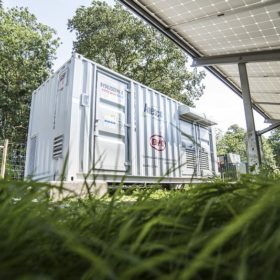
Greece launches 200 MW battery storage auction
Interested parties can submit bids by December 23. Awarded projects will be announced in February 2025 and need to be connected to the grid by April 2026.

Jordan’s new electricity law encourages investment in energy storage
The new law aims to improve the efficiency and reliability of Jordan’s electricity infrastructure and introduces the concept of energy storage in the country’s legislation for the first time.

Transforming electric bus depots into solar energy hubs
An international research team has used data on Beijing’s public transit system to explore if bus depots could host solar installations and energy storage facilities to help reduce the load on the city’s grid. The researchers say they plan to generalize their proposed model to help other areas estimate possible return on investment of transforming other civic infrastructure into energy hubs.
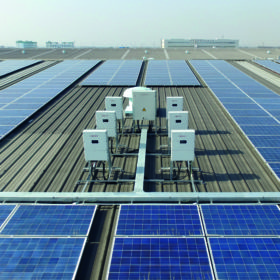
Two-layer power trading mechanism to support distributed solar
Researchers in China have proposed a new hybrid transaction model for distributed power trading. The model encourages the participation of aggregators in market transactions for distributed resources and promotes the expansion of distributed energy storage.
New research estimates average long-term green hydrogen price at $32/MWh
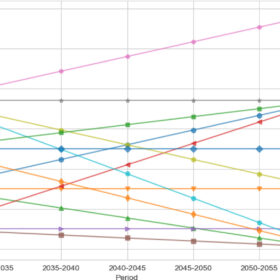
New research from Norway has found that deploying around 140 GW of green hydrogen generation capacity by 2050 could make green hydrogen economically viable in Europe. Reaching this scale may help balance system costs effectively while increasing renewable integration, making green hydrogen a self-sustaining technology without subsidies, according to the scientists.
India may introduce antidumping duties on PV glass from China, Vietnam
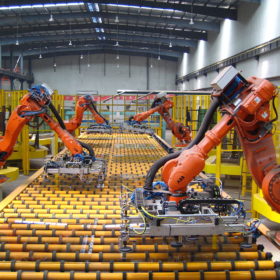
India’s Directorate General of Trade Remedies (DGTR) has proposed antidumping duties on solar glass imports from China and Vietnam. It says the landed cost of such imports aew lower than the selling prices and production costs of Indian manufacturers.

Hail-prone Texas solar project cuts insurance costs 72%
A case study by kWh Analytics demonstrated the value of building a resilient, weather-hardened solar facility.

Singapore on track to hit 2030 solar targets
Research from the National University of Singapore indicates that Singapore could reach its 2 GW solar installation target by 2028, ahead of its 2030 deadline. The study suggests that the government could increase its long-term solar goals by adopting policies that promote better area utilization, subsidies, and advancements in panel efficiency.
