
Rodrigues and Curacao have PV lessons for us all
With the world’s islands already experiencing some of the worst effects of climate change, much could be learned from their ability to demonstrate the viability of 100% clean energy systems. Greening the Islands’ Gianni Chiannetta examines the case for two islands in the Caribbean Sea and Indian Ocean.

‘Are there enough women in the room?’
This week, Women in Solar Europe (WiSEu) gives voice to Darina Merdassi, the CEO of energy group Decci. She says that, although she entered the energy sector many years ago, she is still one of the very few women on speaking panels, with the “situation not being much better in the audience.”
Indonesia relaxes local content requirement for solar projects
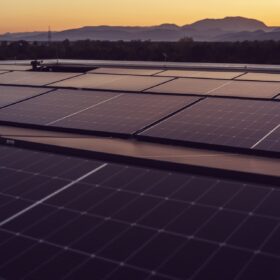
The government of Indonesia has eased import rules for solar power plants in a bid to bolster the development of renewables projects.
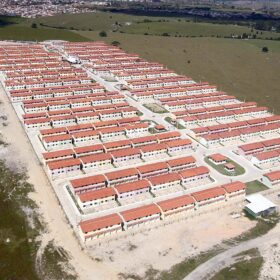
Brazil’s electricity access program needs 1.5 million solar modules.
New research shows that achieving universal electricity access in the Amazon region will require up to 15 million PV modules and more than $7.4 billion in investments.

Dutch standardization authority warns about balcony PV risks
The Royal Netherlands Standardization Institute (NEN) has warned Dutch consumers about the risks of poor balcony PV installations.

Desert-to-Power initiative seeking consultants for solar mapping
The Intergovernmental Authority on Development (IGAD) is seeking consultants to undertake a solar mapping exercise in seven of its members states: Djibouti, Ethiopia, Kenya, Somalia, Sudan, South Sudan, and Uganda. The deadline for expressions of interest is August 30.

US community solar to double by 2029, says Wood Mackenzie
Cumulative community solar installations are forecast to increase from less than 7 GW installed today to more than 14 GW in five years.
US tariffs on solar cells remain, volume increases
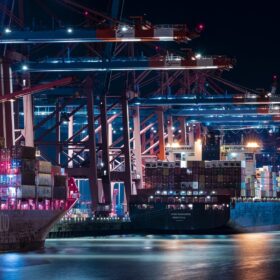
The administration of US Presiden Joe Biden has issued a proclamation stating that the tariff rate quota of 14.25% on solar cells will remain, but the volume will increase from 5 GW to 12.5 GW.
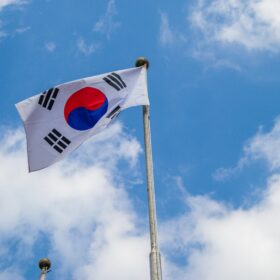
Battery fires in South Korea prompt transparency requirements over EV battery origins
Multiple incidents, including deaths and evacuations, have led to the Korean goverment asking carmakers to voluntarily disclose the makers of batteries in their EVs, with some surprising results.
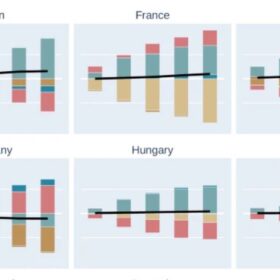
Massive amounts of vertical PV may reshape European energy market
A group of scientists led by the Joint Research Centre (JRC) of the European Commission has analyzed the impact of deploying more vertical PV systems in the European energy markets and has identified potential advantages that may be offered by this scenario. These include lower electricity prices, lower system costs, and an increasing power exchange between neighboring countries.
