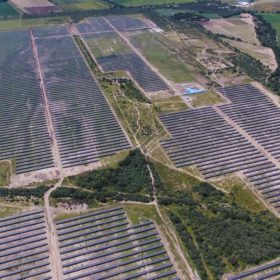
Mexico launches call for renewable energy, storage projects linked to state utility CFE
The scheme targets projects of 0.7 MW and above, with a 935 MW indicative storage need, and is part of broader reforms to streamline investment while strengthening state-led planning of the electricity sector.
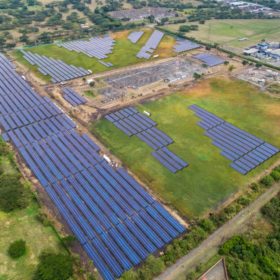
Colombia regulates transmission capacity allocation to speed up energy project connections
The measure aims to reduce grid connection delays and ease congestion in the National Interconnected System (SIN) amid rising electricity demand.
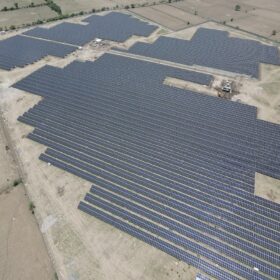
India has now 32.9 GW of operational PV capacity under private PPAs
Mercom reports that the so-called “open-access” solar installations were up 170% year-over-year from 1 GW added in Q1 2025. As of March 2026, cumulative installed solar open access capacity stood at 32.9 GW.
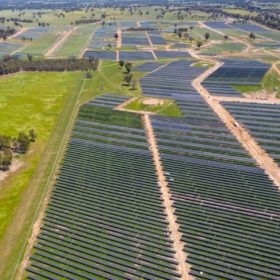
Australia opens tenders for 2.5 GW of solar and wind alongside 12.5 GWh of storage
Australia’s New South Wales is rolling out two of the biggest renewable energy tenders in the state’s history, seeking 2.5 GW of new generation capacity in addition to 12.5 GWh of long-duration energy storage.
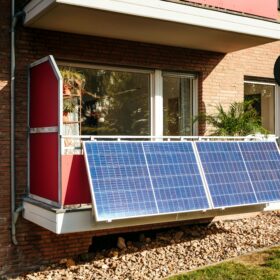
California Senate passes plug-in solar bill
The Plug and Play Solar Act, which passed on a 35-1 vote, would allow portable solar generation devices with up to 1,200 W of output to connect to a building through a standard outlet. The bill now moves to the state Assembly, which has until August 31 to pass it during the current session.
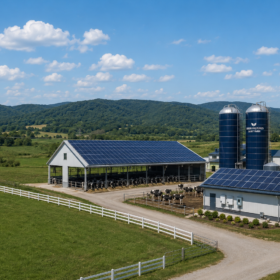
How to prevent stray voltage from harming livestock in PV-equipped dairy farms
Stray voltage is unwanted electrical potential differences in barns that can cause small shocks to livestock, especially dairy cows, through damp floors, metal equipment, and water systems, leading to stress and reduced productivity, and in some cases even to death. While PV systems are sometimes blamed, experts told pv magazine that the real causes are faulty or poorly designed grounding and electrical infrastructure, and that proper equipotential bonding is key to prevention. With attentive design, these risks to animal health can be avoided.
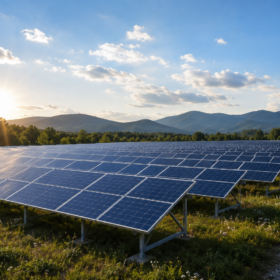
European PV avoided €10 billion in gas imports since escalation of Iran conflict
European photovoltaics have generated enough electricity since early March to avoid an estimated €10 billion in gas imports, according to SolarPower Europe, with savings averaging €110 million per day.
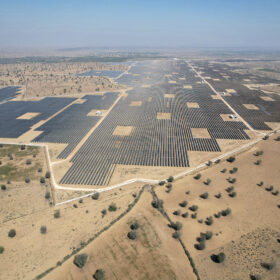
PV curtailment on the rise in India
India curtailed 300 GWh of renewable energy in Q1 2026 due to transmission constraints, according to a new repor from Ember.

Italy to assign 10 GW of PV in 2026-2027 renewables auctions
Italian energy agency GSE announced it will allocate 10 GW of solar capacity and 16 GW of wind power through auctions planned for 2026 and 2027.

South Korea advances bill to scrap renewable quota system
A substitute bill abolishing South Korea’s Renewable Portfolio Standard and replacing it with a government-led auction system cleared a key National Assembly committee this week.
