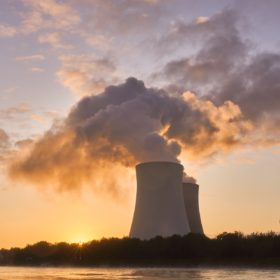
‘Nuclear power is now the most expensive form of generation, except for gas peaking plants’
The latest edition of the World Nuclear Industry Status Report indicates the stagnation of the sector continues. Just 2.4 GW of net new nuclear generation capacity came online last year, compared to 98 GW of solar. The world’s operational nuclear power capacity had declined by 2.1%, to 362 GW, at the end of June.
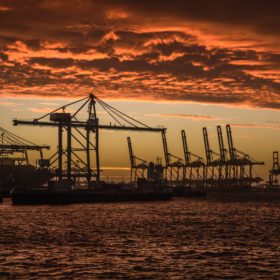
Portuguese green hydrogen for the Port of Rotterdam
The Portuguese and Dutch governments want to connect the hydrogen project of Sines to the Port of Rotterdam and to develop a strategic export-import value chain to ensure the production and transport of green hydrogen to the Netherlands and its hinterland.
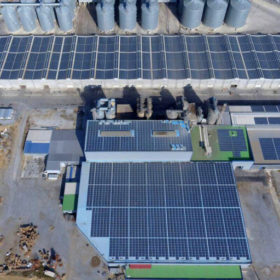
The future of solar PPAs in Turkey
Both the current status, and the future of, solar PPAs in the Turkish market as a key tool for increasing PV capacity has become a widely discussed topic. This is particularly due to the fact that after mid-2021, the future of YEKDEM (Turkey’s local FIT regime) is uncertain. The incentives could be lower than expected, or even unavailable for some technologies. This has raised the question of alternative financing mechanisms with respect to new investments.

‘European cobalt supply hinges on circular economy’
Amid an uptake in EV sales, researchers are examining battery material supply chains. A report has indicated policy-driven circular economy strategies must be introduced in Europe if the bloc is to strengthen its resilience to volatility in the cobalt market.
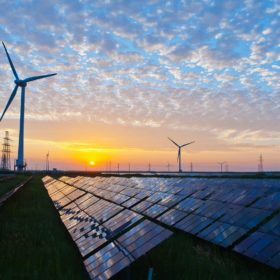
Choosing the right sites for Indian renewables
With biodiversity concerns and social impacts such as arguments over the loss of agricultural land delaying projects, non-profit The Nature Conservancy India has published a report to help developers choose their locations more carefully and get India’s energy transition back on track.
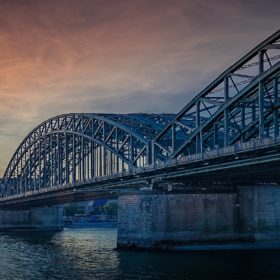
Germany could add 140 GW of small solar by 2030
The government is aiming for 100 GW of installed generation capacity this decade but analysts suggest 170 GW will be needed to avoid electricity shortages and solar rooftops could hold the key.
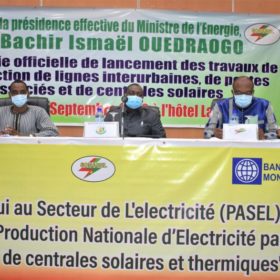
Construction begins on 30 MW of solar in Burkina Faso
Work has started on PV plants with generation capacities of 20 MW and 10 MW. The facilities will be located in Koudougou, in Boulkiemdé province and in Kaya, in Sanmatenga, respectively.

Indian developer plans 50 MW solar plant in Bangladesh
Hero Future Energies wants to make India’s first contribution to grid scale solar in its northeastern neighbor. Plans for a 100 MW plant have been stymied by the power evacuation equipment available at the Khulna site.
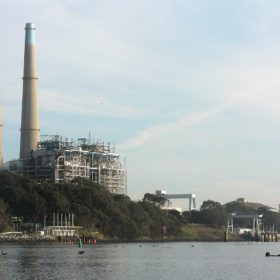
How does the US retire 236 GW of coal and 1,000 gas peaker plants?
Victory in the economic realm (increasingly the case with solar, solar-plus-storage and wind) is no guarantee of market victory if the regulations are stacked against renewables.
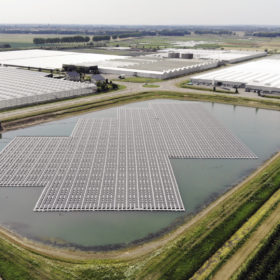
Floating PV driving solar growth in Indian state of Odisha
The state, which is aiming to hit 2.2 GW of solar within two years, has received a Solar Energy Corporation of India proposal for 500 MW of floating project capacity even as it approves a 40 MW water-borne array put forward by the national solar body. The 500 MW suggested comes on top of a similar scale of floating PV planned across the state by public hydropower company NHPC.
