
German solar plant cleared to provide secondary control reserve
Sunnic Lighthouse says Germany’s first prequalified solar project for secondary control reserve shows how quickly PV assets can move into advanced grid-services markets.

AI powered solar forecasting helps UK grid operator reduce balancing costs
Open Climate Fix says its Quartz Solar tool saves Great Britain’s grid operator GBP 30 million ($39 million) per year through more accurate forecasting, which reduces the reserve capacity needed for balancing the electricity system. The non-profit company has used machine learning techniques with satellite, weather and historical generation data to reduce forecasting errors by half.

Protecting the grid from extreme weather
IEC Standards help to make the grid more resilient as the impact of climate change intensifies.

Field trial shows third-party control of residential heat pumps can provide grid flexibility
UK researchers find that smart, centrally controlled air-source heat pumps could slash peak electricity demand. The technology not only keeps homes comfortable but also boosts grid flexibility and cuts emissions.
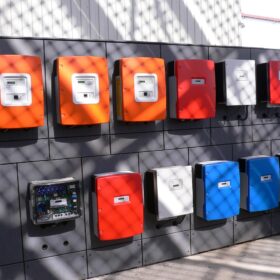
Belgian grid operator reports sharp decline in solar inverter failures
Belgian grid operator Fluvius says inverter-related complaints have fallen by more than half since 2023, even as solar panel connections rose 8.5% year on year amid record sunshine.

AlphaESS launches all-in-one storage systems for C&I applications
Chinese energy storage manufacturer AlphaESS says its new Storion-H30-G3 and Storion-H50-G3 systems combine full integration, higher efficiency, and modular scalability to improve project safety and returns for commercial and industrial (C&I) users.
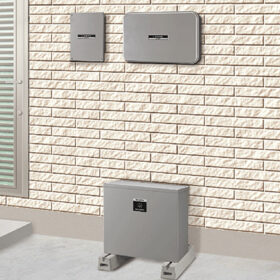
Japanese utility uses Sharp PV-linked home batteries for grid balancing
Japanese utility Tohoku Electric Power is using Sharp’s residential batteries and AI-powered energy management systems to balance grid demand and optimize household solar energy use. Customers in the program can earn points redeemable for local products.
France revises off-peak hours to match solar generation patterns
French grid operator Enedis will shift off-peak hours to daytime periods to align power demand with rising solar output and reduce evening consumption peaks.

Spanish grid operator authorizes renewables for dynamic voltage control
Spain’s grid operator has approved 24 renewable power plants to deliver dynamic voltage control services starting in January, granting them priority dispatch under a new operational program.

Brazil eyes April 2026 for first battery storage auction
A 20-day public consultation is anticipated to open in November to define the guidelines for the auction, which aims to contract 2 GW of battery energy storage systems (BESS). The initiative could unlock around R$10 billion ($1.85 billion) in investments.
