
Photovoltaics for elevated metro stations
Elevated metro stations may highly benefit from rooftop solar power generation combined with battery storage, new research from China suggests. The scientists proposed a system design that promises a payback time of 10.2 years without including the option of injecting surplus power into the grid.
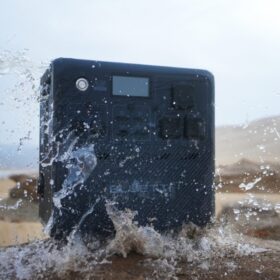
Bluetti releases 2.4 kW portable power station
Bluetti has unveiled a new portable, weatherproof power station featuring a lithium iron phosphate battery with 1,536 Wh of power capacity and a rated output of 2,400 W.
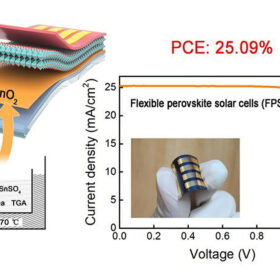
Flexible perovksite solar cell with tin oxide electron transport layer achieves 25.09% efficiency
Researchers in China have developed a new chemical bath deposition technique to deposit tin oxide on a perovskite cell’s flexible substrate without requiring a strong acid. The resulting cell has achieved a certified efficiency of 24.90% and remarkable stability.
US government funds pilot project for heated sand energy storage
The US Department of Energy is funding a pilot project to demonstrate the commercial viability of storing energy in heated sand, which is capable of producing 135 MW of power for five days.
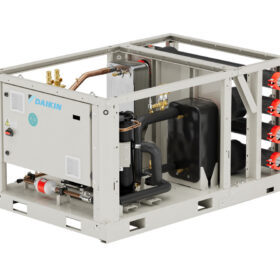
Daikin presents modular water-to-water heat pumps
The Japanese manufacturer said its new heat pump line features a modular approach to system design. The new products are available with capacities of 100 kW, 125 kW and 160 kW and can reportedly achieve a water output temperature of 60 C.
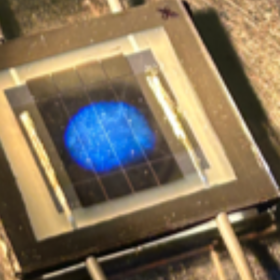
New roadmap identifies critical priorities for commercialization of tandem solar cells
NREL researchers reviewed and assessed a variety of tandem solar cell pairings on technology status and prospects. Their work is intended to identify what kind of work lies ahead on the path to commercialization.
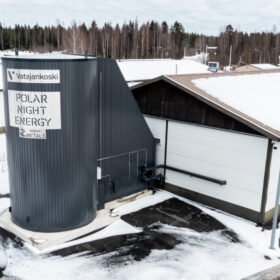
Polar Night Energy secures €7.6 million to scale-up sand battery technology
The Finnish startup says the funding will go towards several key purposes, including growing its sales and R&D teams and advancing capabilities in converting stored heat back to electricity.
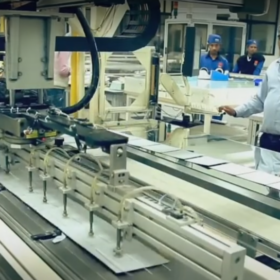
Alpex Solar to set up second panel factory in India
Alpex Solar has secured land to set up a solar panel manufacturing facility in Uttar Pradesh, India.
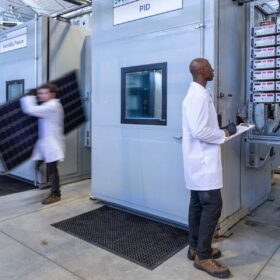
PI Berlin, PVEL, Extel Energy unite under Kiwa brand
PV Evolution Labs (PVEL), Extel Energy, and PI Berlin have unified under the Kiwa brand. Dutch company Kiwa, which has acquired the three PV testing laboratories over the past three years, says it aims to more effectively present its range of services for the solar industry.

AGC uses recycled glass from PV panels for float glass production
The Japanese glass, material, and chemical manufacturer announced a successful test using recycled cover glass from solar panels in the manufacturing of float glass, with technology supplied by Tokuyama Corporation.
