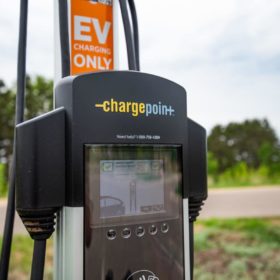
Powering EV charging stations with agrivoltaics
US researchers find that placing agrivoltaic installations along highways to power EV charging stations can reduce both carbon emissions and range anxiety.
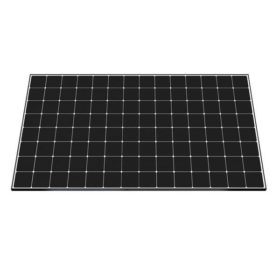
Energy output is over 100 times the input needed to manufacture solar panels
According to a third-party study, the projected output over the 40-year warranty period of Maxeon solar panels exceeds the energy demand of manufacturing them by over 100-fold. Plus, more details from the Maxeon 2021 sustainability report.
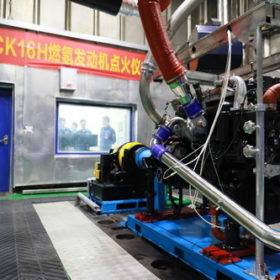
The Hydrogen Stream: Ignited hydrogen-fueled engine from China
Machinery company Yuchai expects mass production by the end of 2022, targeting tractors and other heavy commercial vehicles in mountainous or plateau areas. Sunfire is installing a 2.6 MW high-temperature electrolyzer at Neste’s renewable products refinery in Rotterdam, with commissioning expected in early 2023. Meanwhile, hydrogen-based projects in the mobility and transportation sectors are taking off in France, Czech Republic, and the UK.
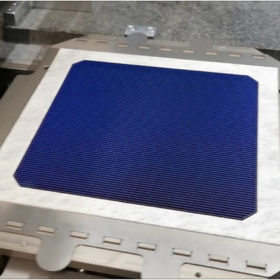
Heterojunction solar cells with lower silver consumption via rotary screen printing
Scientists from the Fraunhofer ISE built a bifacial heterojunction solar cell with a power conversion efficiency of 21.7% via rotary screen printing. They used a machine that is able to achieve a cycle time of just 0.6 seconds per solar cell and enables a strong reduction in silver use.
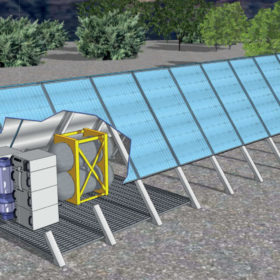
Solar-powered direct air carbon capture tech from Australia
Australian company AspiraDAC, which uses solar-powered Direct Air Capture (DAC) technology to remove carbon from the atmosphere, has been selected to be part of the first round of purchases from Frontier, a program backed by Facebook and Google’s parent companies, Meta and Alphabet.
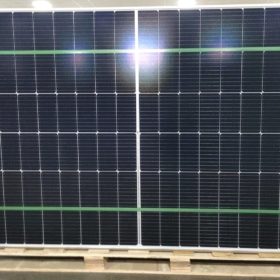
Ifri-Sol launches M10 rooftop solar module
The Tunisian module maker said its new product is based on p-type gallium-doped solar cells and is suitable for both residential and commercial applications. The panel is available in nine versions with nominal power of up to 505 W and an efficiency of up to 21.44%.
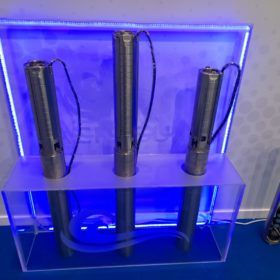
Novel photovoltaic water pump from Spain
A Spanish startup has developed a new pumping system that can operate in DC and AC modes. It can work for direct irrigation and with a water tank.

German consortium plans to build world’s largest heat pump
Basf and Man Energy announced a plan to build a 120 MW renewables-powered heat pump for steam production at an industrial site operated by Basf in the Rhineland-Palatinate region, Germany. The feasibility study for the project should be completed by the end of this year.
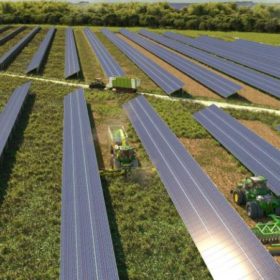
Agrivoltaics adding value to crops with low agricultural yield
A group of 35 French agricultural entrepreneurs decided to change their agricultural practices to adapt to the low quality of their groundwater and chose agrivoltaics as a way to compensate for crop yield losses.
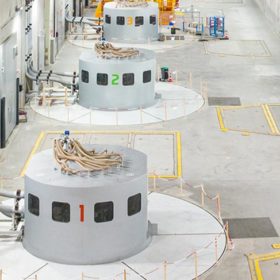
Massive pumped-hydro storage facility comes online in Switzerland
The Nant de Drance facility began commercial operations on July 1 and is currently one of Europe’s largest pumped-hydro storage stations.
