
New tech reduces silver use in TOPCon solar cells by a factor of 10
Researchers at the Fraunhofer Institute for Solar Energy Systems ISE have reduced silver consumption in solar cell metallization to 1.1 mg/Wp using an electrodeposition-based process, down from current levels of 10–12 mg/Wp.
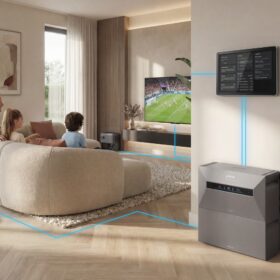
Anker Solix launches 7 kWh plug-in battery targeting rooftop solar retrofits
The new Anker Solix Solarbank Max AC steps up from balcony-scale storage with a 3.5 kW inverter, plug-in capabilities for do-it-yourself (DIY) ease of installation, and expandability to 42 kWh, priced from €2,229.

How to delaminate end-of-life solar modules with ultrasonic cavitation
A research team has developed a solvent-free method using ultrasonic cavitation to delaminate end-of-life crystalline-silicon PV modules, fully separating the glass and front EVA layer while partially releasing c-Si fragments. The proposed approach achieved an 82.2% mass-based delamination efficiency, highlighting ultrasonic cavitation as a sustainable alternative for PV module recycling.
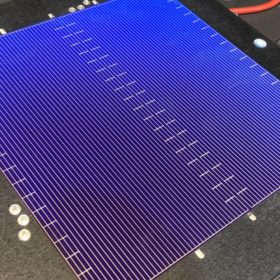
How LECO process could push TOPCon solar cell efficiency beyond 26%
A new UNSW study shows that laser-enhanced contact optimization (LECO) can boost industrial TOPCon solar cell efficiency by improving contact properties and reducing recombination losses. By combining optimized firing conditions with LECO “repair” of contacts, the approach balances recombination and resistance, offering a practical path for conventional TOPCon cells to compete with PV technologies offering higher efficiencies.

UK opens door to plug-in solar boom
In its first monthly column for pv magazine, UK-based consultancy Ricardo, part of the WSP Group, explain how UK will soon allow low-cost plug-in solar panels under 800 W to be installed without a qualified electrician, making home solar more affordable and accessible. These portable systems, expected on sale by summer 2026, could significantly boost household solar adoption while complementing the country’s wider renewable energy growth.
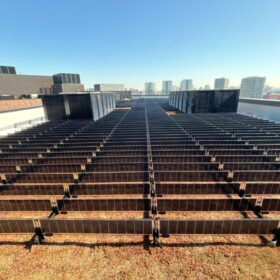
Vertical rooftop PV debuts in the U.S.
Norwegian vertical solar specialist Over Easy Solar has installed its first rooftop vertical solar installation in the U.S. market. The 100 kW system, combined with a green roof in New York, is expected to deliver around 120,000 kWh annually depending on factors including albedo, azimuth and local shadowing.

Which power markets are most impacted by the Middle East conflict?
Wood Mackenzie’s latest analysis explores how 13 of the world’s leading power markets are impacted by the current fuel crisis, with those most reliant on fuel imports facing the greatest risk exposure. The consultancy says the average cost of generation is set to increase by $2.30/MWh across these 13 markets if a de-escalation of the conflict enables fuel price moderation in the latter half of 2026, increasing to an average of around $8.30/MWh if current elevated price levels persist through the year.
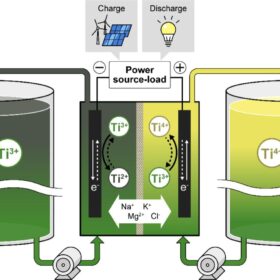
Titanium emerges as a vanadium alternative for redox flow batteries
A Japanese–Chinese team developed a titanium molten salt redox-flow battery using abundant titanium ions and molten salt electrolytes to enable high-voltage, fast, and stable grid-scale energy storage. The system demonstrates high efficiency of over 97%, strong cycling stability, and improved cost and scalability compared to vanadium-based batteries, with further optimization underway.
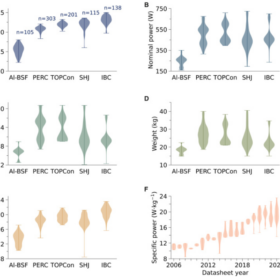
Solar keeps slimming down while power rises
An international study found that the specific power of commercial silicon solar modules increased from 8.5 W/kg in the early 2000s to 23.6 W/kg today, driven by advances in module design, bifaciality, and temperature management. The researchers highlighted that glass and framing dominate module weight, and considering operating conditions like nominal operating cell temperature and rear-side illumination is essential for accurate PV system design.
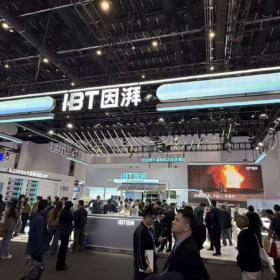
Inpow unveils 587 Ah semi-solid-state storage cell
Inpow Battery has launched a 587 Ah semi-solid-state storage cell with safety-focused design features, while outlining plans for a 6.5 GWh production line.
