
Adapt to thrive
Mark Hutchins introduces the May 2026 issue of pv magazine, which focuses on the implications of the latest fossil fuels energy crisis and how a shift in Chinese energy policy has left solar more exposed to market forces.
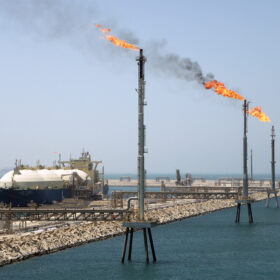
Asia speeds up solar
Airstrikes by US and Israeli forces hit targets in Iran on Feb. 27, 2026. The ensuing conflict has brought about the closure of the Strait of Hormuz and damage to major fossil fuel production sites across the Gulf region – kicking off what is still unfolding as the most significant supply shock the world’s energy system has seen yet. pv magazine looks at the impacts already playing out across Asia, where many countries rely heavily on fuels transported through the Strait.

Conflict as catalyst
War in the Middle East is adding pressure to an already turbulent solar and storage supply chain, but is likely to accelerate the energy transition in the long run, writes Rystad Energy analyst Fei Chen.

Cuba tackles crisis with solar
Cuba is going through one of the most severe energy crises in its recent history, with prolonged blackouts and a partial collapse of the electricity system. This situation is the result of structural factors accumulated over decades and an adverse geopolitical context. Solar is emerging as the central pillar of the government’s strategy to stabilize the electricity system and reduce energy vulnerability, as Luis Ini reports.
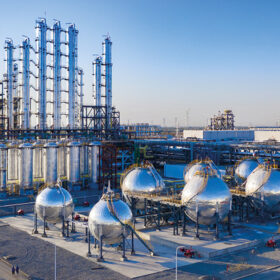
Oil in turmoil, solar stays stable
Soaring energy costs have grabbed headlines around the world the past two months, but prices across the solar supply chain are marching to their own beat, writes Hanwei Wu of OPIS. Oversupply in Asia continues to distort markets, with either sharp price falls or tepid price gains.
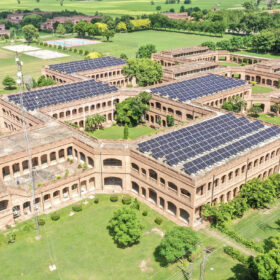
Geopolitical shield
Pakistan started 2026 with a liquefied natural gas (LNG) surplus, but war in the Middle East has left the country facing potential shortages. Qatar and the United Arab Emirates supply 99% of Pakistan’s LNG imports, making the country particularly vulnerable to disruption in the Strait of Hormuz.
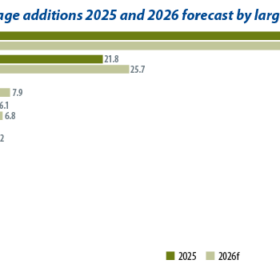
Emerging markets for solar and storage
The global solar and storage sectors have already faced pivotal moments in 2026. China’s PV market is contracting due to policy reforms, data centers are emerging as new consumers of storage capacity, and geopolitical conflicts are driving distributed generation. For S&P Global Energy’s Josefin Berg, global dynamics can rapidly change expectations.
Spain speeds up grid reliability efforts
One year on from the Iberian Peninsula blackout, technical analysis and new regulations are reshaping security of supply in Spain. Far from being an isolated incident, reports from the Spanish government, grid operator Red Eléctrica, and industry association ENTSO-E have all concluded that the incident was the result of operational and structural issues. The incident on April 28, 2025, highlighted vulnerabilities in managing an energy mix dominated by renewables, but work is under way to strengthen the system.
China’s policy reset
Document No. 136 (DN136) has ushered in a fundamental change in China’s energy policy. Just over a year after its introduction in February 2025, the country’s solar industry is now beginning to grasp the consequences of a shift that has effectively rewired its understanding of returns, capital allocation and risk. pv magazine’s Vincent Shaw reports that while Chinese solar and storage are still growing, neither has quite the same swagger as before.
Reshaping storage revenue in Shandong
China’s pioneering electricity spot market offers a case study on what market liberalization might mean for the country’s energy storage revenues. Storage mandates are out and markets are in. With the additional support of a new capacity mechanism, Yujia Han examines what it might mean for standalone battery energy storage system (BESS) revenues.
