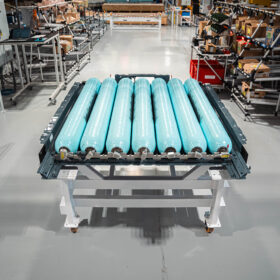
The Hydrogen Stream: BMW unveils tank for iX5 Hydrogen
BMW says its new hydrogen tank enables longer range and flexible production, while South Korea has revealed plans to develop large-scale liquid hydrogen storage systems.
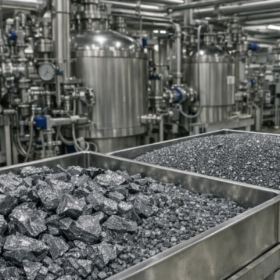
Chinese PV Industry Brief: Polysilicon prices extend decline
State-owned energy developer CECEP has raised CNY 2.95 billion ($431.8 million) for PV and storage projects, while China’s metals industry association says polysilicon prices have fallen for a seventh straight week.
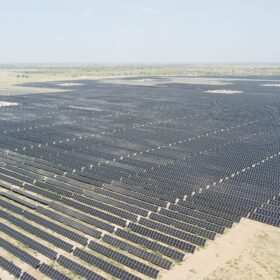
India hits 150 GW solar milestone
The country added around 44.6 GW of new PV capacity in fiscal year 2026, according to new figures released by JMK Research.
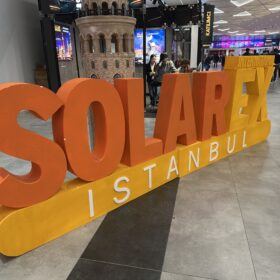
Key takeaways from SolarEx Istanbul
The 18th SolarEx Istanbul showcased Türkiye’s expanding solar ecosystem, bringing together hundreds of exhibitors and reinforcing its role as a rising global hub for PV manufacturing and innovation. At the same time, strong growth in distributed solar and emerging battery storage highlights both the market’s potential and its key challenges, including regulatory constraints, grid limits, and increasing global competition.
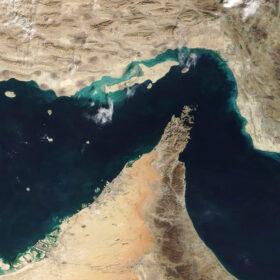
U.S.-Israeli conflict with Iran tests solar supply
The U.S.-Israeli conflict with Iran is unlikely to materially affect solar manufacturing projects in the Middle East for now, as most of these investments remain at an early stage. OPIS analyst Brian Ng sees the most immediate risk in logistics. If disruptions persist, shipments of solar products into the region could be delayed and export pricing may turn volatile.

Turkish manufacturer presents photovoltaic water heater
Adana-based WHS introduced a PV-powered water heating system that operates without an inverter, using 1.6 kW of direct DC solar input with integrated MPPT. The system supports hybrid operation with a 2 kW AC backup, runs at extra-low voltage of less than 50 V, delivers around 3 kWh/day of thermal energy, and heats water to 65–85 C for residential and small commercial use.

‘I joined the management team the day after returning from maternity leave’
This week Women in Solar+ Europe gives voice to Ilse Cappelle, Head of Marketing & E-commerce at Netherlands’ Libra Energy. She explains how returning from maternity leave directly into a leadership role showed her the company’s strong support for career growth and work-life balance.
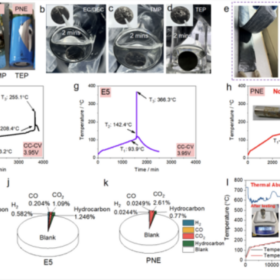
Sodium-ion battery study claims zero thermal runaway breakthrough
Researchers from the Chinese Academy of Sciences say a polymerizable non-flammable electrolyte improves safety in sodium-ion batteries while maintaining performance.
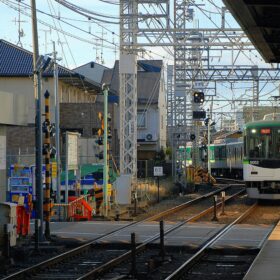
Japanese rail operator to procure 98 MW of new solar via corporate PPA
Tokyu Corp. and partners will supply Tokyu Railway with newly built solar power under a corporate power purchase agreement (PPA), covering about 30% of traction electricity demand.

Chinese module trading slows after export tax rebate cancellation
In a new weekly update for pv magazine, OPIS, a Dow Jones company, provides a quick look at the main price trends in the global PV industry.
