
New surface texturing boosts TOPCon solar cell efficiency by 1%
Chinese researchers have demonstrated a single-step submicron structured surface texturing process that improved the absolute efficiency of a TOPCon solar cell by 1% through broadband anti-reflection and lower electrical resistance. The cell-level performance was validated in laboratory and outdoor tests.

U.S.-India trade deal reduces solar tariffs
Tariff reductions under the new U.S.-India trade agreement lower import costs for solar modules and energy storage components. Reciprocal tariffs were effectively reduced from 50% to 18%.

Chad’s installed PV capacity hits 110 MW, supplying 37% of electricity
Chad has one of Africa’s highest solar penetration rates, a result of a small power system with just 12% electrification, as large-scale solar and storage projects gather pace around N’Djamena, even as political uncertainty over oil revenues constrains faster deployment.

Spain secures major EU grant for 1 GW pumped storage project
The European Union is investing €650 million ($766.5 million) in cross-border energy infrastructure, led by a grant for the Aguayo II pumped-storage project in Spain, alongside smaller allocations for upgrades such as the Čierny Váh pumped-storage plant in Slovakia.

Senegal’s solar capacity hits 671 MW
Senegal has reached an 84% electrification rate, with 294 MW of residential PV installed, while several large-scale solar-plus-storage projects are under development, despite the start of production at the Sangomar gas field.
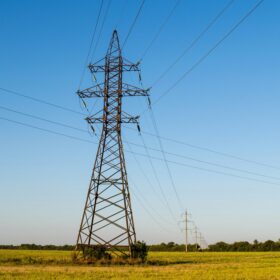
Germany, France, Netherlands curtail 3.9 TWh of renewables in 2025
Analysis by energy advisory service Montel finds Germany, France and the Netherlands all saw record levels of renewables curtailment last year, with the build out of solar in each market contributing to midday generation peaks and consequential price cannibalization.

Growatt launches 5 kWh AC-coupled balcony storage system
The IP66-rated Aura 5000 system features bidirectional inverter functionality and an AC output of up to 2.5 kW.

Chile installs 1.1 GW of PV in 2025
Chile installed 1.13 GW of solar capacity last year, raising total solar capacity to 11.63 GW, while over 4 GW of renewable projects are under construction, according to the National Energy Commission (CNE).

Finland adds 227 MW of utility-scale solar in 2025
Finland’s large-scale solar capacity more than doubled in 2025, buoyed by the commissioning of the country’s first solar projects larger than 50 MW. Another record year for ground-mounted solar is expected this year but a forthcoming Land Use Act risks threatening future projects.
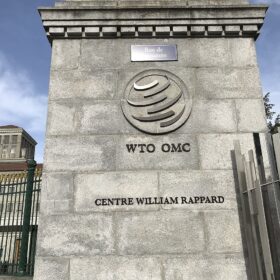
WTO finds US clean energy tax credits violate trade rules
The WTO ruled that U.S. clean energy tax credits under the Inflation Reduction Act violate international trade rules by giving domestic products preferential treatment over Chinese goods. The decision specifically targets the ITC and PTC Domestic Content Bonus Credits.
