
Kosovo introduces 20 MW FIT scheme for PV, but state aid commission said it is illegal
The scheme, which has now been halted, was expected to award a FIT of €0.0855/kWh to PV systems not exceeding 3 MW in size.
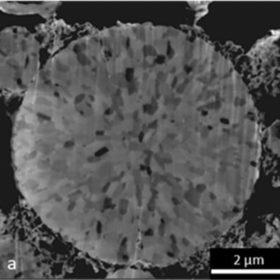
Investigating moisture in nickel-rich batteries
Scientists in the UK looked into the effects of exposure to ambient atmosphere could have on nickel-manganese-cobalt cathodes for lithium-ion batteries. While many cathode designs are moisture sensitive, the group found that the nickel-rich cathodes currently gaining market share are especially vulnerable, and can suffer irreversible power loss upon exposure to moisture in the air.
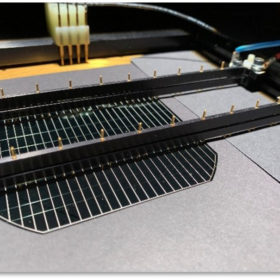
Evaluating tandem cells, from the bottom up
Scientists in Germany evaluated multiple silicon cell concepts based on both cost and efficiency in serving as the bottom layer in a perovskite-silicon tandem cell. The study, based on both simulation and experimental work, outlines advantages to various approaches with the silicon cell and concludes that in almost every case, perovskite-silicon tandem cells have the potential to bring solar costs down below what could be achieved with silicon alone.
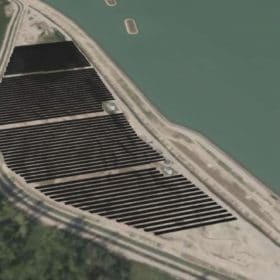
Slovenia’s first utility scale solar plant
A 6 MW solar park is being developed by Slovenian power provider HESS. The facility will be linked to a hydropower plant and will also rely on pumped hydro storage.
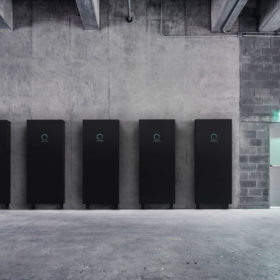
Growing German storage market buoyed by falling prices
RWTH Aachen University and Forschungszentrum Jülich evaluated the data. It shows a growing demand for photovoltaic storage systems in 2019 and continued positive market sentiment lasting well into 2020.
Australia to review smart meter rules
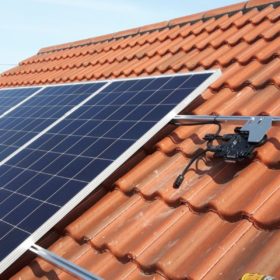
The Australian Energy Market Commission has launched an independent review into the rules governing electricity meters, to determine what needs to be done to accelerate smart meter deployment.

Adaptive solar shade system means horticulturalists can smell the roses
Researchers have modeled the effects of various PV module arrangements on a greenhouse used for rose growing in Iran’s Shiraz region. The team determined a ‘sweet spot’ where modules produced the most energy and provided optimal growth conditions for the crop.
Hybrid power solutions take off in India
A new GOGLA report notes a growing focus on hybrid power solutions that integrate DC solar with AC grid power, and appliances that integrate both AC and DC power. Sales of hybrid solar inverters are growing by 25% per year in India, outpacing demand for conventional inverters.
Bangladesh plans to attract EV manufacturers
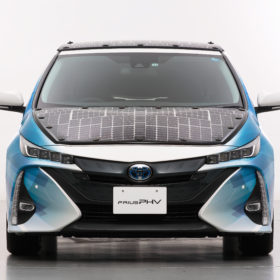
The government has drafted an industrial policy to try and attract electric vehicle production lines, and even solar-powered car producers, to the country.

New three-step module testing from TÜV Rheinland
German standards body TÜV Rheinland is introducing a new testing and certification program for pv modules. The program incorporates component specific tests and ongoing, random testing of running production lines. Hanwha Q Cells assisted in the development of the program, and this week announced it is the first manufacturer to receive the new Quality Control PV Certification.
