Covid-19 weekly round-up: Solar resilient in the US as Australia and Europe forge ahead through crisis
Plus, U.K. analyst Cornwall Insight reports the price of green energy certificates in the nation could stay in the doldrums for some time and industry executives consider the upsides of the new virtual PV business.

Northvolt secures $1.6bn backing for twin battery gigafactories
In a little over ten years, Northvolt aims to pour 150 GWh of batteries onto the European market, annually. The company is also working to source end-of-life batteries for half its raw materials.
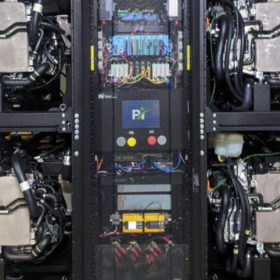
Microsoft trials hydrogen-powered data centers
The software giant has begun testing hydrogen fuel cells as a back-up power source at one of its U.S. data centers. A 250 kW pilot system successfully powered part of the facility for 48 hours and the company is now eyeing 3 MW systems to replace back-up diesel generators.
Grid constraints threaten to curtail more than 1 GW of solar projects in North Queensland
The northern Australian region this week added nine solar plants to the two already threatened – along with a wind farm – with having their output halted under certain conditions.
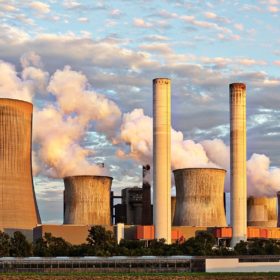
Indian utilities contemplate coal – rather than energy storage – to balance renewables
The Ministry of New and Renewable Energy has specified how grid back-up capacity procurement will work for Indian electricity distribution companies. The rules consider energy storage solely as part of the 51% clean energy requirement, and instead use coal – with a variable price tariff element – as necessary for evening out supply.

Restrictions for solar on agricultural land may slow PV growth in Taiwan
Taiwan-based TrendForce says the nation added only 410 MW of solar capacity to the end of May, towards this year’s 2.2 GW target. The lower-than-expected deployment volume may be further hampered by new restrictions for PV on agricultural land introduced by the Council of Agriculture this month.
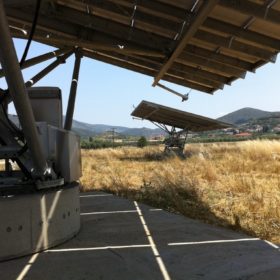
New low solar price in Greece but capacity falls short again as parliament passes €100m EV subsidy package
The price tariff agreed by German company ABO Wind for a 10 MW solar project in Igoumenitsa came in a tender which allocated only 142 MW of generation capacity, well short of the hoped-for 482 MW. It is hoped a slimline licensing process, to be applied in the next procurement round, will address the problem.
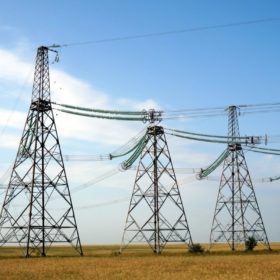
New solar+storage converter for greater grid stability
Scientists from the Institute of Electrical and Electronics Engineers have presented research suggesting a new topology for residential solar+storage inverters.
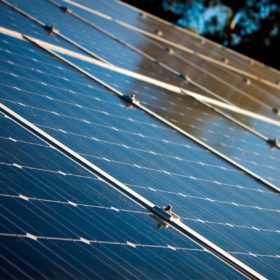
US racking company moves manufacturing to China
Despite strong revenue growth in its domestic market, Quick Mount PV – which was acquired by Netherlands-based Esdec last year – is abandoning its U.S. manufacturing to move overseas.
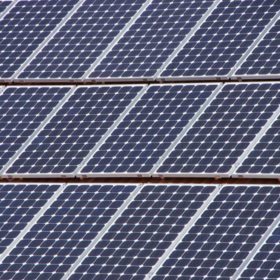
Solar PPA for 39 MW in Canada
The Royal Bank of Canada has agreed to buy 80,000 MWh per year from two solar parks now under construction in the province of Alberta. They will begin supplying power in April 2021.
