
Czechia installs 484 MW of solar in H1
Czechia’s Solární Asociace says that the country installed 484 MW of solar in the first half of this year, nearly matching the 487 MW added in the same first six months of 2023. It notes that the residential PV market has cooled, but the corporate segment has grown.

Hungary refinances rebate scheme for residential solar
The Hungarian government is investing an additional HUF 30 billion ($83.9 million) into its HUF 75.8 billion rebate program for residential solar and storage systems. The scheme, which launched in January, is now expected to support more than 25,000 households.
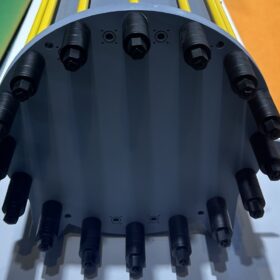
The Hydrogen Stream: Poland unveils hydrogen strategy
The Polish government has outlined its main objectives for the development of hydrogen, while Tyczka Hydrogen says a damaged compressor from Maximator Hydrogen caused a recent incident at one of its filling stations in Germany.
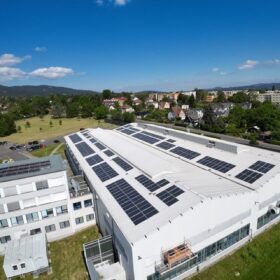
Woodburn Capital, Magna Exteriors sign 15-year solar PPA in Czechia
Magna Exteriors and Woodburn Capital Partners have signed a 15-year solar power purchase agreement (PPA) in Czechia. The agreement covers energy generated on-site at a 2.4 MW solar plant located at Magna Exteriors’ site in the northwestern part of the country.
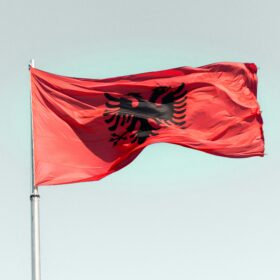
Albania’s 300 MW solar tender attracts lowest bid of €0.0397/kWh
The Albanian authorities have revealed that a recent 300 MW solar tender has attracted a lowest bid of €0.0397/kWh. The government has shortlisted nine bidders with an average offered price of €0.0513/kWh for 283.9 MW of preselected capacity.
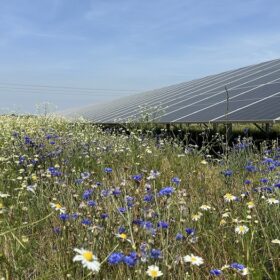
Biodiversity expanding at 138 MW solar project in Hungary
Ecological monitoring reveals rising plant and bird species diversity at a 138 MW nature-friendly solar park in Hungary during its first year of operation.
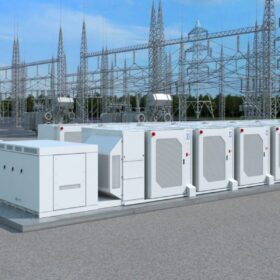
Bulgaria’s battery storage market gears up
Bulgaria has installed between 40 MWh and 50 MWh battery energy storage capacity to date. However, a new national legislation as well as funds provided through the European Union’s Recovery and Resilience Facility could see the country install another 1 GWh over the next two years.
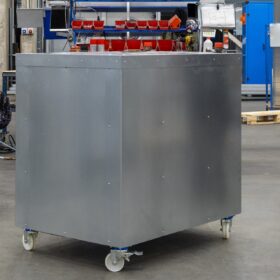
Hungarian startup offers PCM-based thermal battery with energy density of 30 kWh/m3
Hungary-based Heatventors is offering its new thermal energy storage system with capacities of 10 kWh, 30 kWh, and 60 kWh. The thermal battery is combinable with solar PV and has an expected service life of over 10,000 cycles.

Ukraine receives solar panels to power hospitals
Over 5,800 solar panels manufactured by Italy’s Enel have been delivered to Ukraine to help power healthcare facilties.

The Hydrogen Stream: 20 companies ask Europe to protect electrolyzer industry
Twenty companies have signed a letter to the European Commission, calling for a shift in European industry policy and protections for the electrolyzer industry, while Germany and Morocco have signed a declaration to establish a joint climate and energy alliance.
