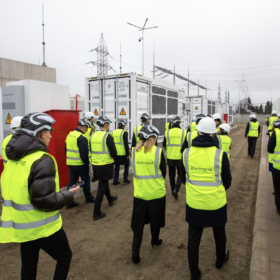
Romania commissions 400 MWh battery storage project, its largest to date
Nova Power & Gas’s 400 MWh project in Cluj County is the largest battery energy storage system (BESS) to date to have been connected to Romania’s grid.

The Hydrogen Stream: Europe forecasts €240 billion for hydrogen grids to 2040
The European Commission says its new grids package includes €240 billion ($281.8 billion) for hydrogen networks to 2040, alongside fresh Italian State aid for clean tech deployment.
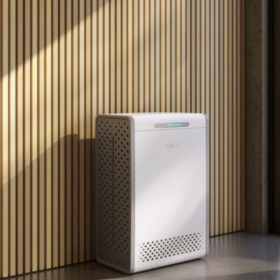
Hungary launches $305 million subsidy for residential battery storage
The Hungarian government says its new HUF 100 billion ($305.4 million) program will support 10 kW home battery systems to boost solar self-consumption and cut evening-peak demand.

How technology is changing modern solar O&M
The speed at which Europe’s PV buildout has taken place over the last few decades is creating challenges for the solar industry around utility-scale O&M, as attendees of pv magazine’s Week Europe virtual conference session on leveraging technology for O&M heard.
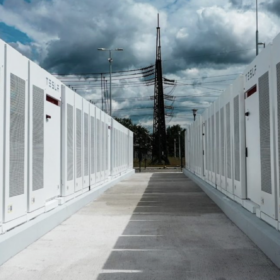
Poland shortlists 183 energy storage projects for EU funding
Poland’s state environmental fund says developers sought PLN 28 billion ($7.7 billion) for 20 GW and 122 GWh of storage projects – nearly seven times the program’s budget, with 183 projects eligible for funding.

IEA sets distributed solar, storage policy path for Ukraine
A report by the International Energy Agency (IEA) recommends three strategies to accelerate the deployment of distributed solar and battery energy storage systems (BESS) in Ukraine as the country works to increase its energy security.
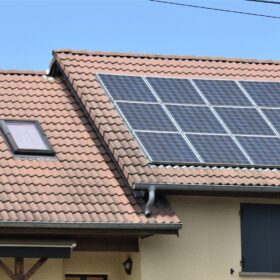
Polish energy regulator warns against fake solar inspections
Following reports of fraudulent solar inspections, Poland’s energy regulator has issued an announcement clarifying who is authorized to conduct such assessments.

IRENA seeks consultant for solar feasibility study in Ukraine
The International Renewable Energy Agency (IRENA) is seeking a consultancy to conduct a feasibility study for a utility-scale solar plant in Ukraine, with applications due Dec. 23.
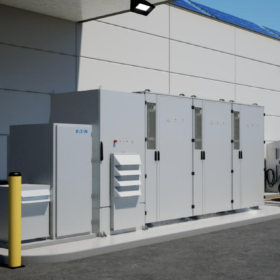
Hungary opens $151 million grant scheme for business energy storage
Hungary’s National Energy Agency has launched a HUF 50 billion ($151.34 million) grant program for businesses to install energy storage systems, including options paired with onsite renewable generation.

Kyrgyzstan, Hungary sign $300 million solar development deal
Kyrgyzstan’s National Investment Agency and Hungary’s Electron Holding have agreed to develop up to 300 MW of solar capacity in Kyrgyzstan with planned investments of $300 million.
