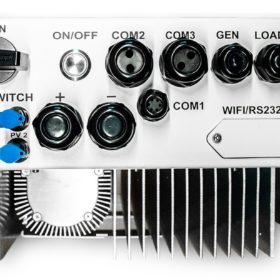
New hybrid inverters for rooftop PV from Germany
The BW-HY3600 and BW-HY4600 inverters can be integrated with existing on-grid or off-grid PV systems and a battery storage system of 48V. Both devices, according to German manufacturer Bosswerk, have AC and DC coupling and are particularly suitable for residential and commercial solar arrays.
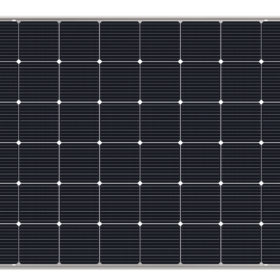
TOPCon vs PERC
TOPCon solar cells are on their way to fully compete with PERC solar products, according to recent research from Germany’s Fraunhofer ISE. Efficiency gains for the TOPCon concept, however, are necessary to help it capture more market share, as production costs remain higher than those for PERC tech. A series of cost-driven strategies to make TOPCon modules advance were outlined in the study.
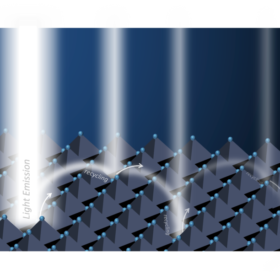
Photon recycling for more efficient perovskite solar cells
Scientists at the Technische Universität Dresden, in Germany, have found that photon recycling and light scattering effects greatly improve light emission in perovskite solar cells, thereby boosting the upper limit for their efficiency to 31.3%.

New hybrid inverter for rooftop PV arrays from SMA
SMA’s new hybrid inverter reaches a maximum efficiency of 98.2% and a maximum European efficiency of 97.5%. It is compatible with DC-coupled high-voltage lithium-ion batteries from leading suppliers, according to the manufacturer.
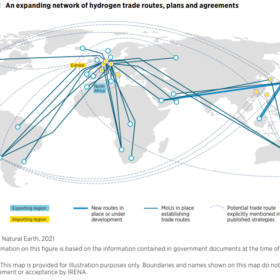
Green hydrogen could disrupt global trade, bilateral energy relations
While there are still many uncertainties as to the way in which hydrogen trade might evolve and change economic ties and political dynamics between countries, experts agree that green hydrogen can bring winds of change to the global energy arena. According to the International Renewable Energy Agency, significant geoeconomic and geopolitical shifts are just around the corner.
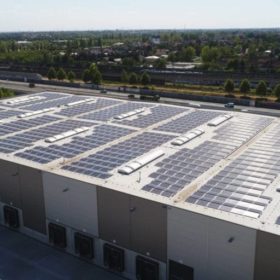
Germany’s second rooftop PV tender concludes with average price of €0.0743/kWh
The procurement exercise’s final prices ranged between €0.0570 and €0.0828 per kWh.
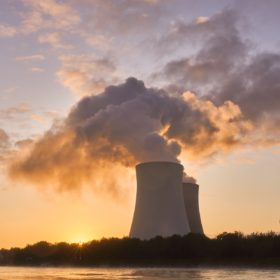
Belgium has four years to replace nuclear fleet which generated 39% of its electricity in 2020
Figures released by Eurostat this week indicated the monumental task facing the renewables industry as Europe attempts to replace a power source which generated a quarter of the bloc’s electricity in 2020.
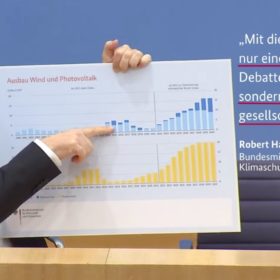
New German government presents package of measures to support PV
The new package includes an increase in solar capacity, to be allocated through tenders, and the mandatory installation of PV systems in all commercial buildings.

The Hydrogen Stream: Australia approves $150 million hydrogen promotion program, Mitsubishi developing ammonia combustion burner in Japan
In other news, Oil India is setting up a 100 kW green hydrogen production facility in Assam, while the German government is providing €60 million for a project aimed at preparing electrolyzer technologies for industrial production at gigawatt scale.
Electrolyzer tech to produce hydrogen from seawater
With a new start-up and a consortium in the Netherlands, German automotive supplier Schaeffler wants to significantly reduce the costs of green hydrogen.
