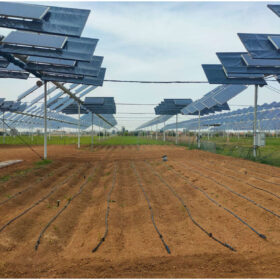
Multi-year field study finds that agrivoltaics can support healthy potato yields
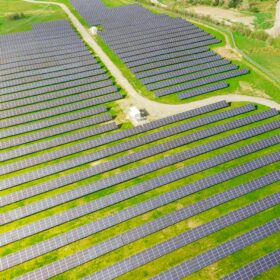
Multi-year field trials conducted in Italy show that agrivoltaic systems can support healthy potato yields without major losses. Strategic shading and dynamic light management during critical growth stages proved key to maintaining productivity.
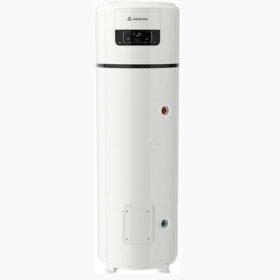
Ariston launches residential propane heat pump with built-in PV function
The Italian heating solutions provider said its new Nuos Plus S2 Wi-Fi heat pump system offers up to 80% energy savings and a coefficient of performance of up to 3.51.
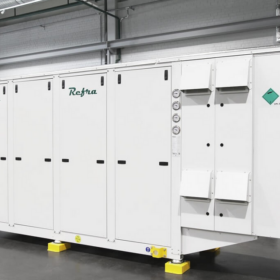
Refra debuts water-to-water heat pump for commercial, industrial use
Lithuania-based Refra has launched its Oasis series of water-to-water heat pumps and chillers, offering capacities from 34 kW to 600 kW for small to large commercial and industrial applications. Featuring propane refrigerant, inverter-controlled compressors, and modular multi-circuit design, the units can reach a coefficient of performance of up to 5.1.
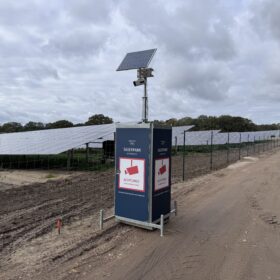
How EU NIS2 is reshaping physical and cybersecurity for PV plant operators
The European Union’s NIS2 Directive is pushing PV operators to strengthen both cyber and physical security, treating solar assets as critical infrastructure. It also highlights the need for stronger physical protection measures, such as site surveillance, access control, and perimeter security to prevent tampering and intrusion.
Italian solar sector gears up for cybersecurity regulations on PV systems over 100 kW
The Italian energy regulator is requiring PV and wind plants over 100 kW to install central controllers with remote active power control, with staggered compliance deadlines up to 2028. The rules, coupled with rising digitalization, are driving cybersecurity upgrades, AI-based monitoring, and grid-aware operational practices across the renewable energy sector.

Thermocold debuts air-to-water heat pump for commercial buildings
The new product line covers 124–644 kW in heating and 128–632 kW in cooling, operates down to -15 C, and supports various configurations with R454B or R410a refrigerants.
Key takeaways from Italy’s Key Energy trade show
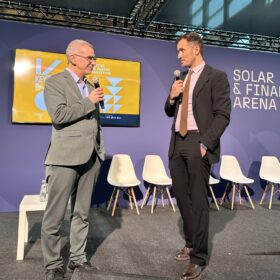
Key – The Energy Transition Expo was held last week in Italy, featuring 1,065 exhibitors and 530 buyers. The event focused on energy-as-a-service and agrivoltaic projects, with operators saying agriPV standardization should be reached by 2030-32. Italian Energy Minister Gilberto Pichetto Fratin told pv magazine that coal and gas are strategic assets, noted that the “PV sector is maturing,” and urged the European Union to coordinate on gas storage and supply chains for modules and storage solutions.
The Hydrogen Stream: BP and Iberdrola near Spain’s largest H₂ project
BP and Iberdrola say their 25 MW green hydrogen project in Spain is nearing commissioning, while Moeve has approved a final investment decision for a 300 MW project in Spain.
CEA-Ines, 3Sun build heterojunction solar modules based on UV downshifting
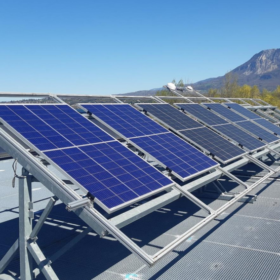
The new heterojunction solar module concept is based on co-extruded EVA/POE/EVA (EPE) encapsulant with UV downshifting (UV-DS) films, which convert harmful UV light into blue light, protecting cells and slightly boosting short-circuit current by 1.5–1.75%.
Italy’s new energy provisions could boost gas use, undermine renewables and storage competitiveness
Italy’s new energy decree aims to cut consumer electricity bills, but industry experts warn it could slash solar revenues by over 30%, slow the PPA and battery storage markets, and increase gas-fired generation. The measure also raises regulatory and state aid concerns, potentially making the Italian electricity market riskier for investors.
