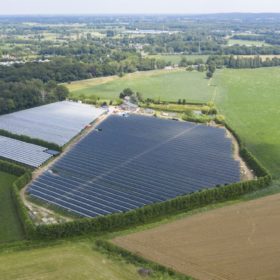
PV covers 18.9% of Dutch electricity demand in H1
Renewable energy accounted for around 49.6% of total electricity demand in the the Netherlands in the first half of this year, according to data from the Nationaal Klimaat Platform.
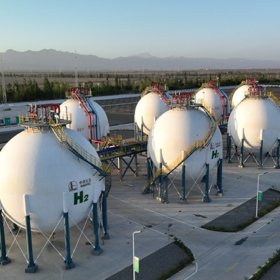
The Hydrogen Stream: China starts world’s biggest solar-to-hydrogen site
China’s Sinopec has switched on the world’s largest solar-to-hydrogen project in Xinjiang, while India has unveiled a new plan to incentivize green hydrogen and electrolyzer production.
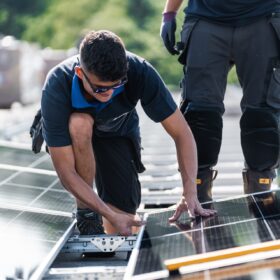
Esdec Solar unveils mounting system for C&I solar
CPX, a unit of Netherlands-based Esdec Solar, has developed a new mounting system with a long-side clamping system for large modules. The manufacturer claims that the new structure reduces the number of required assembly steps.
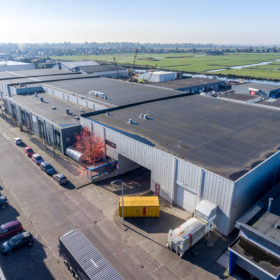
Dutch government allocates €412 million to support ‘circular’ PV panel manufacturing
The Dutch cabinet said it will support solar factories that will produce panels with a circular economy approach. It also allocated €296 million to support battery manufacturing.
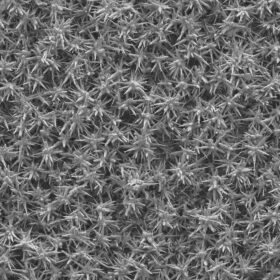
The Hydrogen Stream: Metallic-alloy coating improves hydrogen production
Oxford nanoSystems (OnS) has started working with electrolyzer manufacturers to test and scale up hydrogen production.
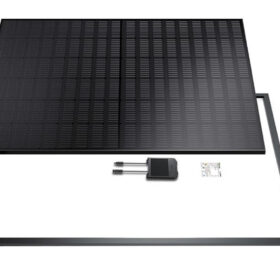
All-black solar panels with integrated cell string optimizers
Sonnex Energie is offering five versions of its new PV modules, with power outputs of 395 W to 415 W and power conversion efficiencies ranging from 20.23% to 21.25%. They also have a temperature coefficient of -0.35% per degree Celsius.
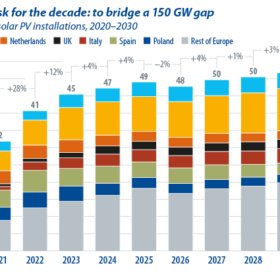
The year it all changed
The European solar landscape changed forever in 2022 and managing the supply chain, grid, and permitting constraints will be key to a solar-dominated energy future for the continent.
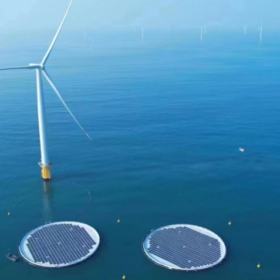
Offshore floating vs. land-based PV systems
A group of researchers from Utrecht University analyzed offshore floating photovoltaic (OFPV) systems to determine reasons for enhanced performance compared with land-based systems. Out of their research, the team developed two regression models to help predict yield advantages when siting projects.
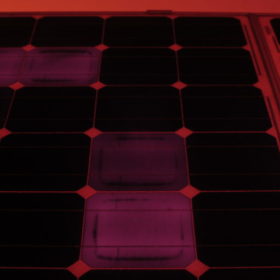
Thirty years of photovoltaic module degradation
Scientists in Europe have put together a comprehensive guide to PV module degradation, examining literature and case studies on the topic as far back as the 1990s. Their paper details the primary stress factors faced by modules in the field, the most common modes of degradation and failure, and provides clear definitions relevant to reliability, quality and testing standards. Among their key findings is that a full understanding of how combinations of different stresses over varying timeframes is still missing from methods to estimate and improve system reliability.
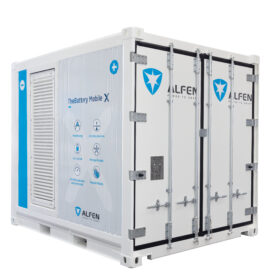
Alfen unveils plug-and-play mobile energy storage system
Alfen has released a new line of battery storage modules with 360 kWh, 540 kWh, or 720 kWh of capacity. The fully integrated systems are developed for events, festivals, construction sites, maritime applications, and EV charging hubs.
