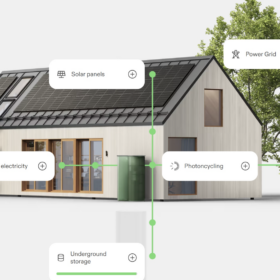
Photoncycle raises €15 million to launch seasonal hydrogen home storage
Norway’s Photoncycle has raised €15 million ($17.4 million) to develop a seasonal home energy storage system that converts excess solar power into ammonia-based hydrogen for winter use.
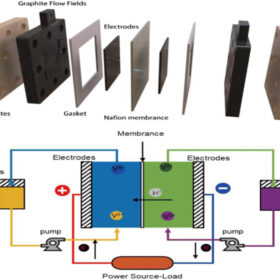
De-risking redox flow batteries for grid-scale storage
Following their review of redox flow battery research, Norway-based scientists told pv magazine that despite its high upfront capital costs and lower energy density relative to metal-ion, the technology can offer safety, reliability, and scalability advantages for standalone, large-scale applications.

Norwegian firm introduces fire-resistant membrane for rooftop PV
Norwegian fire safety specialist Bridgehill has developed a fire-resistant roofing membrane designed for use beneath rooftop PV systems. The company says the product is intended to limit heat transfer and flame spread in commercial and industrial installations subject to strict fire safety and insurance requirements.

The Hydrogen Stream: Scatec-led 100-MW green project in Egypt to step operations in the coming months
The consortium expects to reach Final Investment Decision (FID) on the full-scale project in the Ain Sokhna Industrial Zone in the coming months, while Brazil’s Federal Court provisionally ordered the suspension of construction activities of Solatio’s project in the State of Piauí.

Norway adds 117 MW of solar in 2025
Norway’s solar market experienced a slowdown in 2025, particularly among residential installations. The outlook for 2026 looks more optimistic, thanks to policy reforms supporting larger projects and continued demand from commercial and industrial customers.
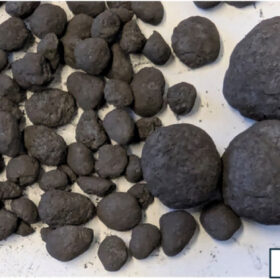
Research shows vacuum melting is key to efficient silicon kerf recycling
Researchers in Norway investigated the melting behavior of silicon kerf agglomerates under different atmospheres and temperatures to improve recycling for solar-grade silicon. They found that vacuum melting enhances deoxidation and produces a homogeneous, oxide-free melt, while agglomerate size has little effect on melting behavior.
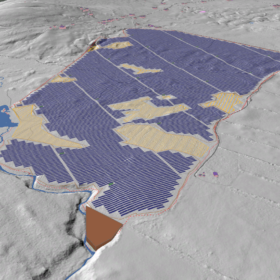
Large-scale agrivoltaics come to Norway
Solar developer Energeia AS has been granted a license to build, own and operate a 46 MW agrivoltaic project in Norway, set to become the country’s largest solar site to date.

Enerin offers industrial heat pump delivering heat up to 250 C
The Norwegian industrial heat pump specialist said its HoegTemp system has a heat supply capacity of 0.2 MW to 5 MW and a coefficient of performance above 2 at high lifts.

Hydro approves largest pumped hydro project in more than 20 years in Norway
Norsk Hydro will invest about $110 million after tax to build the Illvatn pumped hydro plant in western Norway.
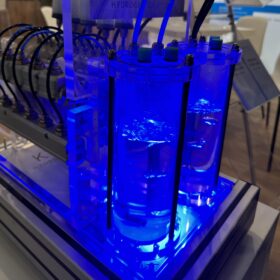
The Hydrogen Stream: European Commission launches H2 tender
The European Commission has launched its first Hydrogen Mechanism call to link suppliers with buyers, while Italian researchers say PV, wind, storage, and electrolyzers can slash island transport emissions by 90% and cut costs nearly one-third.
