
Sandia offers public access to CSP archives
Six decades of global concentrated solar power documentation make up the bulk of Sandia National Laboratories’ archive.

SunPower buys US solar system provider for $165 million
The company said it will consider options for its Commercial & Industrial Solutions business including new ownership.
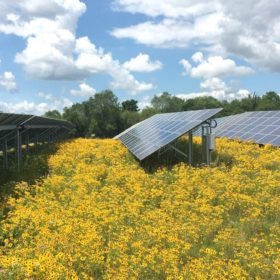
Large-scale solar can cool nearby areas
An international team of scientists observed a cooling effect in a large radius around solar arrays. The cooling may have implications for local ecosystem management.
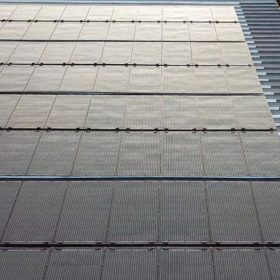
CIGS solar panels for weight-constrained rooftops
U.S. thin-film module manufacturer Sunflare is ramping up production at its factory in China. The company makes four different CIGS modules.
Interconnecting US solar to the grid – an opaque process
New documents reveal how renewables have improved publicly available power grid data in the United States, and show how solar and wind are footing the bill for U.S. power grid upgrades.
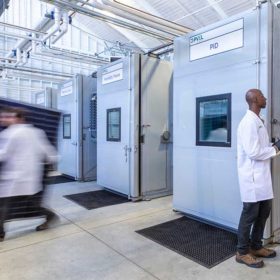
PVEL to offer third-party data for inverters
In the latest edition of its annual publication, PV Evolution Labs shares results from solar panel stress tests focused on specified and verified bills of materials.
The weekend read: Price cannibalization threatens PV growth
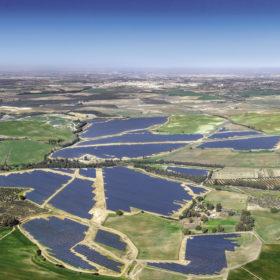
As solar deployment increases, concerns about price cannibalization continue to be more and more relevant. Large-scale solar generation during midday hours may result in curtailment or unprofitable wholesale power prices. As supply increases, the economic viability of solar PV projects could fall into question.
Quinbrook acquires planned 350 MW project in the UK
U.S. based renewables investor Quinbrook Infrastructure Partners this week announced that it has acquired a 350 MW PV and storage project set to be built in the Southeast of England. The project has already received planning permission from the UK government, and its new owner expects to begin construction in the first half of 2022.
Arevon Energy taps Tesla for 2 GW/6 GWh of storage supply
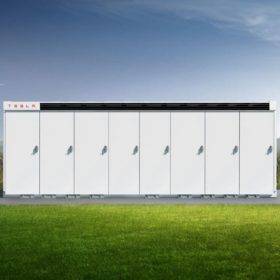
Arevon Energy will install Tesla Megapacks at California load centers in a four-year series of projects called the Falcon portfolio.

The US installed 5.7 GW of solar in Q2
The second quarter of 2021 was the 4th best on record as the U.S. installed 5.7 GW of capacity.
