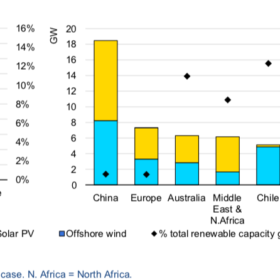
The Hydrogen Stream: Global renewables capacity for hydrogen to surge by 2027, says IEA
The International Energy Agency says that it expects the use of renewables to support global hydrogen production to surge over the next five years. The Netherlands and Denmark, meanwhile, have revealed plans to expand electrolysis capacity.
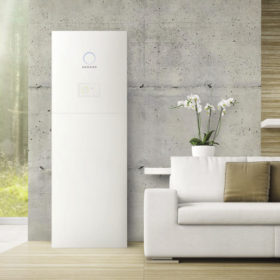
Germany likely installed 220,000 new residential solar batteries in 2022, says EUPD Research
EUPD Research said that Germany’s residential storage market more than doubled year on year in 2022. It noted that BYD has surpassed Sonnen to become the leading battery supplier.
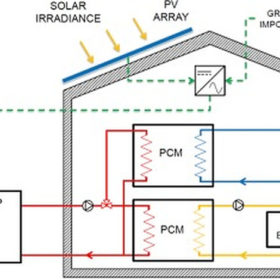
PV-powered residential air-source heat pump with PCM thermal storage
A UK research group has proposed the combination of solar-powered heat pumps and thermal storage based on phase-change materials for residential applications. They said such a system could facilitate cost savings of up to 39%.
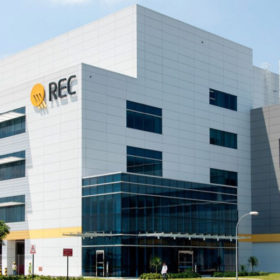
REC scraps plan to build 4 GW solar module factory in France
REC says it has dropped its plans to set up a factory in France due to “various market changes.” It wanted to invest €680 million ($716 million) to produce heterojunction solar modules in the town of Hambach.
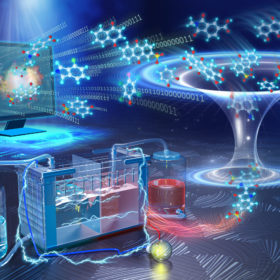
Scientists identify molecules for potential use in redox flow batteries
Scientists at the Dutch Institute for Fundamental Energy Research (DIFFER) have set up a database of 31,618 molecules that could potentially be used in future redox flow batteries. They used artificial intelligence and supercomputers to identify the properties of the molecules.
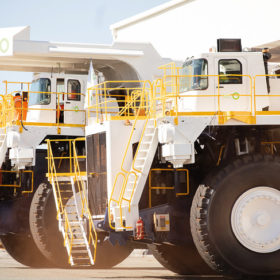
Weekend read: Shining magnate
Mining magnate Andrew “Twiggy” Forrest is the founder and executive chair of Australian iron ore producer Fortescue Metals Group. The company has announced an ambitious $6.2 billion decarbonization strategy and its Fortescue Future Industries subsidiary has rapidly become a global player in green hydrogen, along with a host of other energy transition technologies. Whether it is pushing to decarbonize mining, hashing out headline-making green energy deals, or using the popular “Rick and Morty” cartoon to educate people about the potential of green hydrogen, Fortescue and its shining magnate are talking the talk. But can they walk the walk? Blake Matich reports.
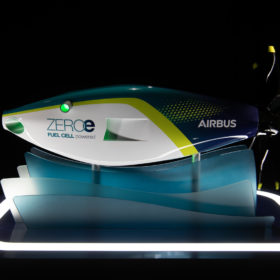
The Hydrogen Stream: Airbus, Honda bet on hydrogen-powered fuel cells
Airbus sees hydrogen-powered fuel cell engines as a potential solution for its zero-emissions aircraft, which will go service by 2035. Meanwhile, Honda, meanwhile, has announced plans to produce fuel cell electric vehicles in the United States from 2024.
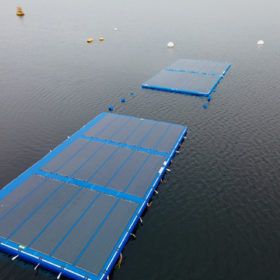
Dutch developer secures funds for flexible floating solar pilot in North Sea
Bluewater Energy Services has won a grant from the Dutch government to build a flexible floating solar demonstration project in the North Sea. The system uses flexible thin-film PV modules and flexible floaters that move with the waves.
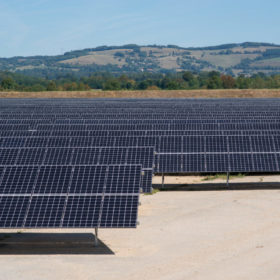
France installed 1.71 GW of solar in January-September period
France’s cumulative installed PV capacity reached 15.8 GW at the end of September.

Spain provides financial support for 600 MW of utility-scale storage
The Spanish government say it will finance five hybrid battery energy storage projects, with a cumulative installed capacity of at least 600 MW. Each project can secure up to €15 million ($15.68 million) in funding.
