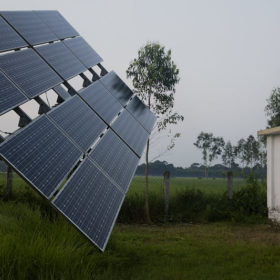
Bangladesh’s PV capacity to reach 8.5 GW by 2035, says GlobalData
Bangladesh’s solar capacity is forecast to increase more than sixfold over the next decade, driven by a shift from off-grid rural deployment toward grid-connected and distributed generation, according to a new GlobalData report.
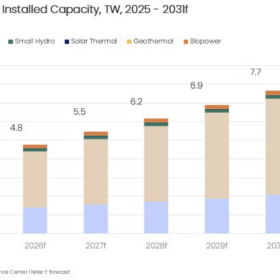
Global solar capacity to reach 6 TW by 2031, says GlobalData
GlobalData says global renewable capacity will more than double to 8.4 TW by 2031, with PV reaching nearly 6 TW, a 13% compound annual growth rate from 2025 levels of 4.1 TW.

Singapore forecast to reach 5.3 GW of solar by 2035
UK consultants GlobalData say Singapore could add between 300 MW and 400 MW of solar annually through to 2035, taking cumulative capacity from around 1.9 GW today to the 5 GW threshold.
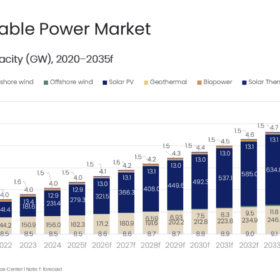
US market on course to hit 737.8 GW of solar by 2035
GlobalData’s latest analysis says the U.S. will add between 41 GW and 52 GW of solar annually until 2035.
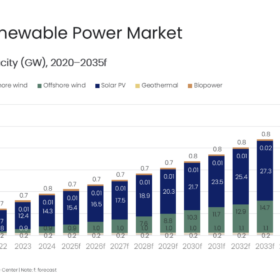
Taiwan on track to deploy 31.2 GW of solar by 2035
UK-based GlobalData says Taiwan is on course to more than double its current solar capacity by the end of 2035.
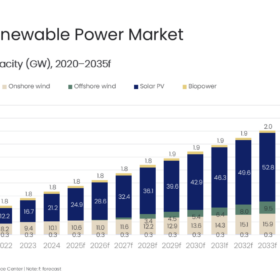
Poland projected to reach 59.1 GW of solar by 2035
London-based consultancy GlobalData says Poland could add between 3 GW and 4 GW of solar annually through to the middle of the next decade.
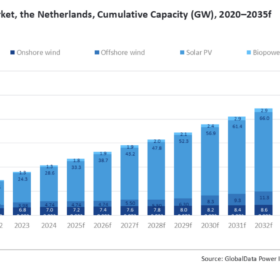
Netherlands forecast to reach 79.9 GW of solar by 2035
Latest analysis by UK consultancy GlobalData expects annual solar additions in the Netherlands to reach between 4.5 GW and 5.5 GW through to 2035.
Croatia launches rebate program for solar, other renewables, batteries
The Croatian government has allocated €60 million ($65.6 million) in subsidies for businesses to install 80 MW of renewables and 20 MWh of batteries.
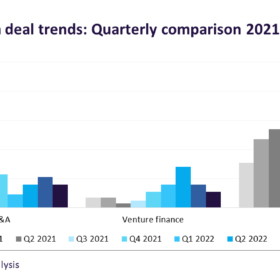
The Hydrogen Stream: Green hydrogen capacity surged in 2022
Green hydrogen production capacity continued to grow last year, driven largely by new investments, GlobalData says in a newly published report. Deutsche Bahn, meanwhile, has revealed plans to expand its hydrogen bus fleet in Germany.
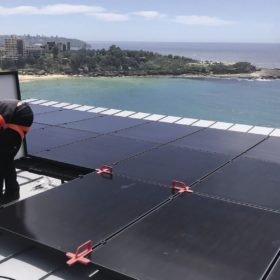
Rooftop solar price to keep rising this year
British analyst GlobalData has predicted residential and commercial rooftop panels will not return to a declining price trend until next year, with post-Covid logistics headaches the cause, rather than a polysilicon shortage.
