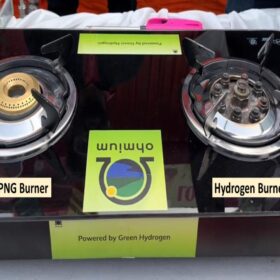
India’s NTPC demonstrates zero-emission ‘hydrogen cooking’
NTPC Energy Technology Research Alliance (NETRA) has demonstrated successful hydrogen cooking with a modified cookstove that uses hydrogen from a green hydrogen plant at its campus in India.
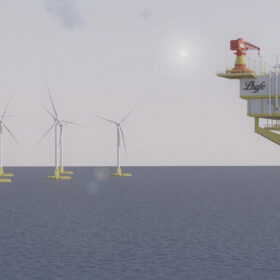
Weekend Read: Agreeing on green hydrogen
In November 2022, Germany’s Energie Baden Württemberg and steelmaker Salzgitter Group signed one of Europe’s first power purchase agreements (PPAs) for hydrogen production. More have followed and with the European Union introducing rules to govern green hydrogen, an industry is planning for its future.
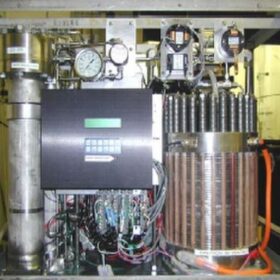
Indian electrolyzer incentive scheme draws 21 bidders
The Indian government’s production-linked incentive (PLI) scheme for electrolyzer production has received an overwhelming response, with bids for 2.28 times the capacity that will actually be awarded.
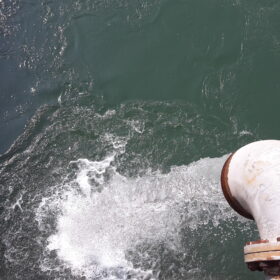
Green hydrogen and its water use problem
The climate crisis threatens water management and the water crisis in Montevideo, Uruguay, in 2023 illustrates the damage new industrial projects could cause if not thoroughly assessed. With green hydrogen projects gaining international prominence, it is vital they are properly planned.

Weekend Read: Famine to feast – China’s solar market in 2023
China’s solar industry rebounded in 2023 after years of pandemic-related sluggishness. As the year draws to a close, pv magazine looks back at key highlights of 2023 and considers the prospects for 2024.
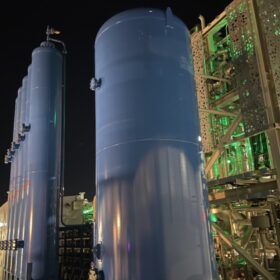
The Hydrogen Stream: BayoTech to launch two US hydrogen hubs in 2024
BayoTech and Versogen are increasing their investments in low-carbon hydrogen in the United States, while the UK government has announced backing for 11 green hydrogen projects, canceling plans to use hydrogen for household heating.
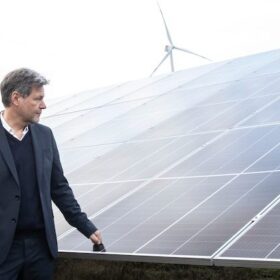
Germany’s solar funding in firing line after €60 billion budget shortfall
The leaders of Germany’s three major political factions have agreed to cut an unspecified amount of solar spending, among other initiatives, to plug a €60 billion ($64 billion) budget shortfall triggered by a German federal court ruling in November. However, the Federal Association of Solar Economy (BSW-Solar) has criticized the announcement and said that concerns remain about other major solar projects that are potentially at risk.
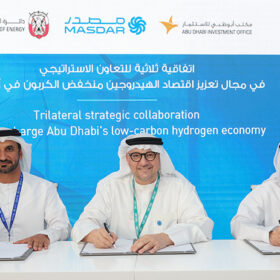
The Hydrogen Stream: Masdar signs more hydrogen deals at COP28
Masdar unveiled a 10 GW Africa Growth Plan for renewable investments in six Sub-Saharan Nations at COP28 in Dubai this week, in addition to signing four additional hydrogen deals.
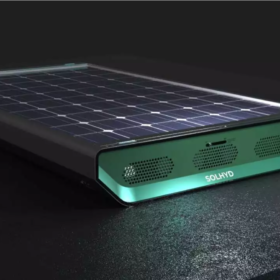
KU Leuven spinoff plans MW-scale production of solar-hydrogen panels
Solhyd, a KU Leuven spinoff, is refining its technology to reach megawatt-scale production of hydrogen-producing solar panels with a €6 million ($6.5 million) investment from a consortium of Flemish investors.
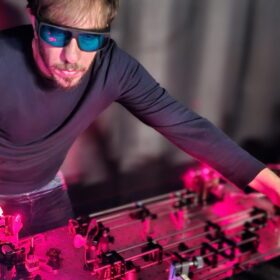
Two-dimensional supercrystal produces hydrogen from formic acid, sunlight
A research team in Germany has developed bimetallic two-dimensional supercrystals with remarkable catalytic properties. They can be used to produce hydrogen from formic acid decomposition and reportedly achieve record-breaking results.
