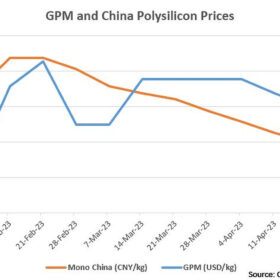
Polysilicon prices fall 1.33% to six-week low of $37.218/kg
In a new weekly update for pv magazine, OPIS, a Dow Jones company, provides a quick look at the main price trends in the global PV industry.
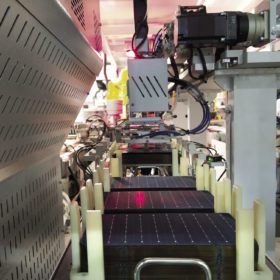
India’s solar module manufacturing capacity could hit 110 GW by 2026
India could become the world’s second-largest solar manufacturer by 2026. It will also have a notable presence in all upstream components of PV production, such as cells, ingots/wafers, and polysilicon, according to a new report.
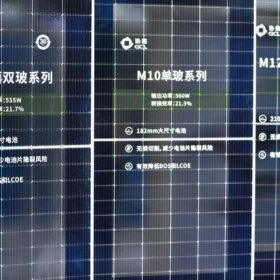
GCL starts building 12 GW solar module factory
GCL Integration expects to start operating a new 12 GW solar factory in October, bringing its total solar panel manufacturing capacity to 30 GW.
PV product prices resume downward trend, says TrendForce
TrendForce says polysilicon will be 3.2% cheaper in March than in February. This will lead to lower wafer, cell and module prices and will effectively spur installation demand.
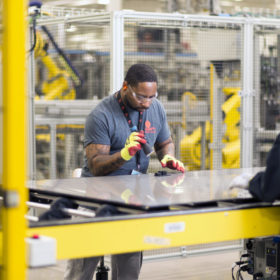
Reviewing the US solar panel value chain
From polysilicon to panels to recycling, how much domestic capacity does the United States actually have?
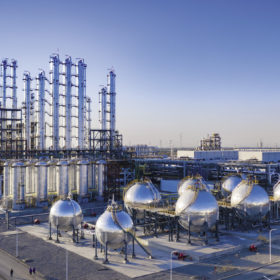
Longi raises wafer prices as polysilicon hits $34.98/kg
The China Nonferrous Metals Industry Association (CNMIA) said that prices for monocrystalline silicon ranged from CNY 222 ($32.30)/kg to CNY 248/kg last week, up 31.37% from the middle of January. Longi, meanwhile, has raised its wafer prices by more than 15%.
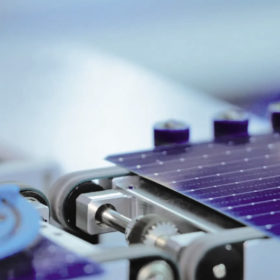
China produced 288.7 GW of modules, 827,000 MT of polysilicon in 2022
China’s Ministry of Industry and Information Technology (MIIT) says Chinese manufacturers produced 357 GW of wafers and 318 GW of solar cells in 2022.
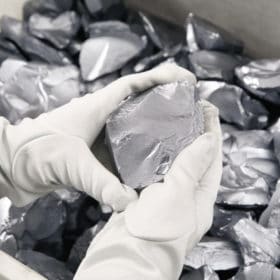
Wafer, cell prices continue to rise
Wafer prices rose by between 24% and 36% this week, according to new data from the China Nonferrous Metals Industry Association (CNMIA).
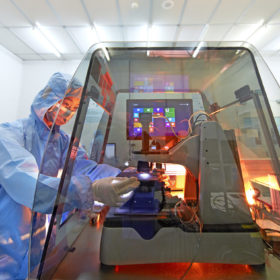
Trina Solar to expand n-type ingot capacity by 35 GW
In response to growing demand, Trina Solar has revealed plans to ramp up ingot capacity at a new factory in Xining, in China’s Qinghai province.
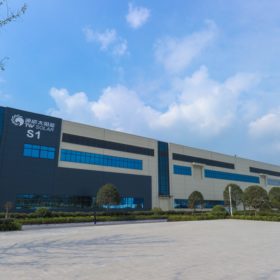
Tongwei to set up 120,000 MT of additional polysilicon capacity
Tongwei has revealed plans to set up a new polysilicon facility with a production capacity of 120,000 metric tons (MT) in Leshan, in China’s Sichuan province.
