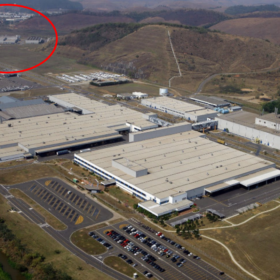
British company to produce solid-state lithium-sulfur products this year
Oxfordshire-based Oxis Energy says it will produce the less flammable devices sought by the aviation industry using the same manufacturing processes as those used to make lithium-ion and conventional-lithium-sulfur products.
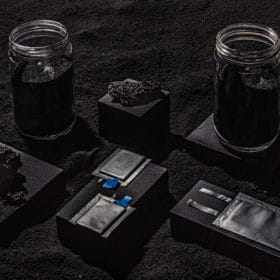
Silicon for batteries moves to commercial production
U.S. company Group14 Technologies today announced the launch of a factory capable of producing 120 tons per year of its innovative silicon-carbon-based anode material for lithium-ion batteries. The factory is located at Group14’s headquarters in Woodinville, Washington and is the first of several planned by the company.
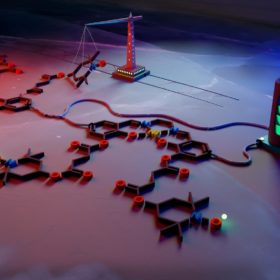
Nickel-salen for a battery that charges in 10 seconds
Scientists in Russia introduce a promising new material for battery energy storage, the product of more than three years of research. Incorporating a nickel-salen polymer into the cathode, the group demonstrated a battery that can charge and discharge ten times faster than today’s lithium-ion batteries. And though the battery still lags in terms of overall capacity, the group is confident that its discovery will lead to big improvements for lithium batteries.

Six new ways to boost battery energy density
Scientists in the UK developed a model to explain one of the challenges to harnessing an oxygen-redox reaction in certain cathode materials for lithium-ion batteries. Based on their improved understanding of the reaction, they suggest several possible routes for further research to avoid the unwanted reactions and develop reversible, high energy density cathode materials.
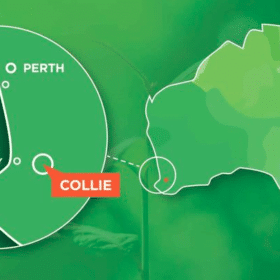
Australian startup aims to become one of the first first Li-ion anode producer outside China
A handful of companies are challenging Chinese control of a core material in lithium-ion battery production, before the electrification of transport truly kicks off the global battery boom. International Graphite, a Perth-based startup at the forefront of this effort, recently spoke to pv magazine Australia about the surprisingly collaborative race to feed global demand.

NREL looks at opportunities in lithium-ion battery recycling
U.S. scientists assessed the reuse and recycling of large-format lithium-ion batteries for electric vehicles and energy storage systems and found there is plenty of room for improvement.

New method to produce silicon anodes for lithium-ion batteries
Scientists in Sweden developed a new aerogel process to manufacture silicon anodes for lithium-ion batteries, promising to offer batteries with greatly increased capacity compared to those on sale today. By growing nanometer-sized particles of silicon onto graphite, the group was able to demonstrate a device that overcomes many of the challenges common to silicon as anode material. While there are still challenges in terms of stability and capacity retention, the approach could ultimately yield low-cost, large-scale production processes.
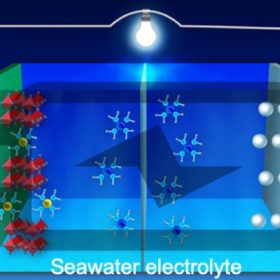
Seawater aqueous battery based on alloy of zinc and manganese
Scientists in the United States developed a new anode for aqueous batteries. A working battery utilizing this anode, with seawater as an electrolyte, demonstrated impressive energy density, and remained stable after 1,000 hours of high current cycling. The group is already discussing the potential of their approach in large-scale manufacturing.

European Commission proposes minimum sustainability thresholds for batteries
The world’s second largest battery market is mulling strict regulation of what type of products can be sold within it. The bloc wants to tighten rules on using hazardous materials and would encourage circular economy approaches. The scope of the commission’s proposal would also affect the design of devices, with phones, laptops and other portable gadgets without removable batteries set to be prohibited.
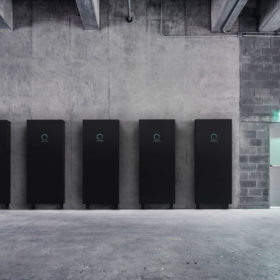
Growing German storage market buoyed by falling prices
RWTH Aachen University and Forschungszentrum Jülich evaluated the data. It shows a growing demand for photovoltaic storage systems in 2019 and continued positive market sentiment lasting well into 2020.
