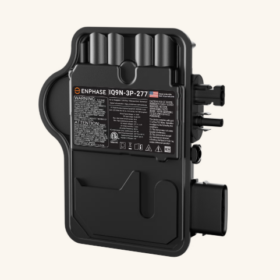
Enphase introduces 97.5%-efficient microinverter based on gallium nitride tech
The inverter is designed for three-phase grid configurations without using external transformers. It contains gallium nitride technology, a first for Enphase’s microinverters.

Sale process begins for German microinverter maker Solarnative
Solarnative launched insolvency proceedings and started searching for new investors in June.

Yotta Energy launches ‘panel-level storage’ package for C&I solar
US storage and inverter specialist Yotta Energy says its new package has several advantages compared to conventional C&I solar storage solutions. For example, the design cuts out the need for a dedicated room or separate space for the battery racks and it reportedly keeps batteries cool, passively maintaining an ideal working temperature range, between 21 C and 38 C.
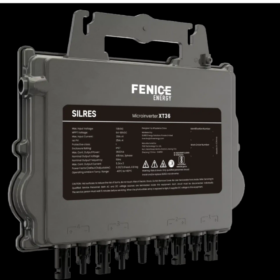
Fenice Energy unveils microinverters for high-power solar panels
Fenice Energy, formerly SunEdison, has developed single-phase and three-phase microinverters for residential and commercial solar installations. The microinverters support up to 670 Wp+ PV modules, with a maximum input current of 20 A.
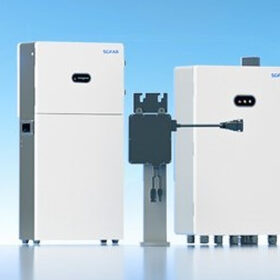
Sofar unveils new microinverter series
Sofar, a China-based inverter and battery manufacturer, has introduced a new series of microinverters for balcony solar arrays and rooftop PV systems. They have a 97.5% efficiency rating and offer between 500 VA and 2,400 VA of rated power.
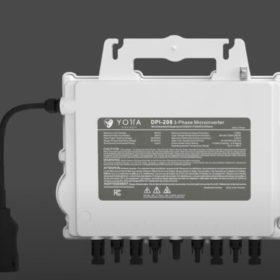
Yotta Energy unveils new 3-phase microinverters
US manufacturer Yotta Energy said that its two new microinverters are compatible with up to four high-power PV modules. They have a peak efficiency of 96.5% and a nominal maximum power point tracking (MPPT) efficiency of 99.5%.
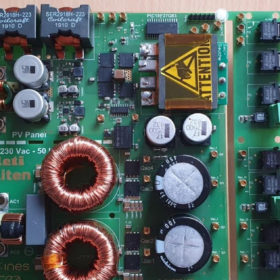
Photovoltaic micro-inverter based on gallium nitride transistors
Scientists from France’s CEA-Ines developed a 400 W micro-inverter with a power density of 1.1 kW/L and an efficiency of 97%. The device utilizes GaN 600V diodes and power transistors developed by CEA’s electronic branch CEA-Leti.
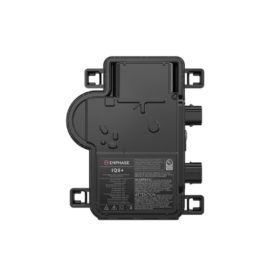
Enphase delivers robust Q2 revenues backed by its IQ8 solar microinverter
The US micro-inverter manufacturer issued strong guidance for Q3 as its revenues and earnings per share beat estimates.
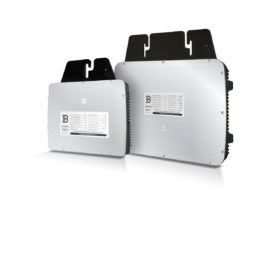
New micro-inverter series from China
Beny Electric unveiled a micro-inverter series with efficiency of up to 97.5% and a European efficiency of up to 97%. The micro-inverters are available in three different versions with a rated power output of 550 VA, 700 VA, and 2,800 VA, respectively.
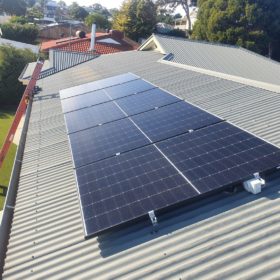
Enphase claims new safety regulations mean more Australian installers prefer its IQ Microinverters
Long-overdue safety and compliance regulation increases came into effect in May. US-based Enphase Energy claims its technology’s exemption from much of nation-wide regulations means installers across the country are opting for its products exclusively.
