
Sweden exits coal two years early
The Nordic nation is now the third European country to have waved goodbye to coal for power generation. Another 11 European states have made plans to follow suit over the next decade.

Europe can be 60% powered by solar before 2050
Perhaps it is not surprising a report co-produced by Europe’s solar industry places PV at the heart of a zero-carbon, mid-century energy system on the continent. However, the study does flesh out two out of three scenarios in which becoming carbon-neutral by 2050, or even 2040, could be possible.

Covid-19 daily bulletin: Renewables projects running at capacity in India
The nation’s Ministry of New and Renewable Energy has reiterated that clean energy projects have not been affected by falling electricity demand as a billion citizens have been ordered to stay at home.

BlackRock vows to exit coal as part of new climate-focused investment strategy
The U.S. asset management fund’s plan to cut future investment in coal is reportedly part of a climate-focused initiative to establish sustainability at the center of its business approach. The announcement comes weeks after the investor closed $1 billion of a record $2.5 billion fund focused on PV, wind and energy storage projects.
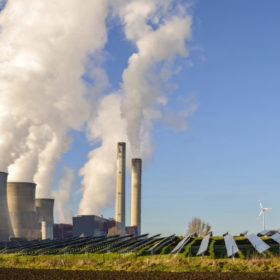
CREO 2019: A roadmap for China’s energy system
As solar and wind power enter the post-subsidy era, the next few years will be critical for China’s energy transition with investors learning to navigate the uncertainties of market reforms. With the 14th five-year plan – touted as a watershed in China’s energy system development – in the works, a report has recommended clear targets for 2021-2025 in terms of solar and wind power deployment and a reduction of coal consumption.
Shell to power Philippines refinery with solar, storage and natural gas
In a bid to reduce its carbon footprint the oil giant is ramping up its renewable energy production at a refinery in the Philippines. The news was announced by the company in a week which saw it named seventh worst corporate contributor to the climate crisis since awareness of emissions-related damage first emerged.

Greece and Hungary pledge to phase out coal
Athens-based policy group The Green Tank labelled Greece’s decision “historic” while Europe Beyond Coal, an alliance of civil society groups working to make Europe coal free by 2030 said Hungary should target a more ambitious 2025 phase-out.
Lowering emissions without breaking the bank in India
A combination of carbon pricing and a renewable portfolio standard for electricity companies in India will be more effective than either measure in isolation to help the nation meet its climate change targets, according to a study by MIT researchers.
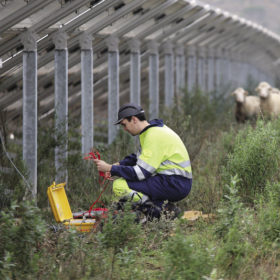
Solar, EVs and energy storage among the few technologies keeping pace with energy transition goals
Among 45 critical energy technologies and sectors assessed in a tracking report by the International Energy Agency, only seven are keeping hopes alive that climate, energy access and air pollution goals can be met.

IEA urges advanced economies to support nuclear as renewables cost continues to fall
An International Energy Agency report estimates the share of nuclear power in advanced economies could fall by two-thirds by 2040, as aging plants retire. The report claims without support for nuclear, the transition to a low carbon energy system would be far more complex and threaten global emissions targets.
