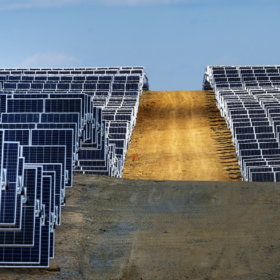
Colombia’s largest PV plant comes online
The 61 MW solar facility is owned by Colombian oil company Ecopetrol.
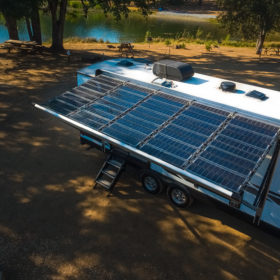
Retractable PV awning for recreational vehicles
The 1.2 kW solar awning can be retracted automatically in the event of adverse weather conditions. The patented technology, developed by Xponent Power, may enable a wide range of additional applications such as for use by the military, for emergency relief, and residential power.

Four winning bidders in India’s gigawatt-scale solar manufacturing tender
Jindal India Solar Energy, Shirdi Sai Electricals, Reliance New Energy Solar, and Adani Infrastructure will each have half of their planned 4 GW annual production of polysilicon-to-module output subsidized by public funds.
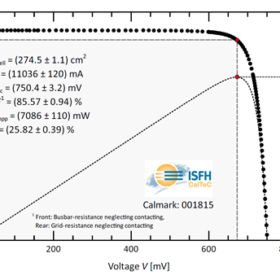
Longi achieves 25.82% efficiency for heterojunction solar cell
The result, confirmed by Germany’s Institute for Solar Energy Research Hamelin (ISFH), was achieved on a heterojunction solar cell based on an M6 wafer.

Solar panels blasted with sound to better understand microcracking
Researchers at NREL and EPRI focused heavy bass sounds on solar panels to simulate the effects of wind-caused deflection.

Plastic for solar panels?
Three companies are swapping out aluminum and glass in favor of plastic to save weight and add flexibility. We look at the pros and cons.
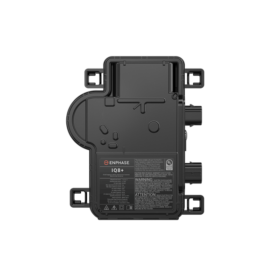
Microgrid-forming PV microinverter from Enphase
The 97%-efficient device is said to be the most powerful PV microinverter developed by the company to date and is capable of forming a microgrid during a power outage. The U.S. manufacturer expects to ship the first products in December.
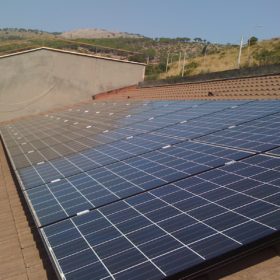
Italy reaches 252 MW/405 MWh of distributed energy storage capacity
The country added 60MW/106 MWh in the first half of the year. Energy storage continues to grow with the region of Lombardy and Veneto being the two largest contributors.
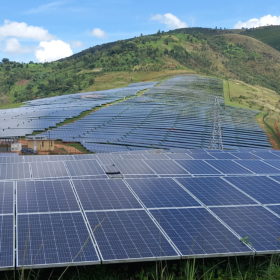
Burundi’s first solar park comes online
Under development since 2015, the 7.5 MW solar plant was built thanks to the efforts of multiple international entities including the U.S. International Development Finance Corporation (DFC) and the U.K. government-funded Renewable Energy Performance Platform (REPP).
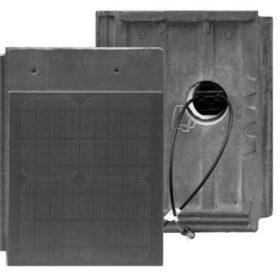
Solar tile with 19.22% efficiency from Canada
The solar tile has a power output of 15 W and is recommended for flat concrete roof tiles. It can operate with a maximum system voltage of 600 V.
