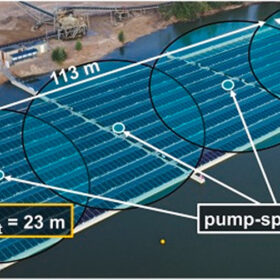
Spray cooling for floating PV
A research team in Germany developed a dynamic model of spray cooling for floating PV systems that couples thermal behavior, electrical performance, and active cooling, and validated it against a 750 kW installation. Simulations across four climates showed that spray cooling reduces module temperatures by up to 42% and improves energy yield by up to 3.8%, with benefits strongly dependent on local conditions.

Vietnam’s solar capacity surpasses 19 GW
Figures from the International Renewable Energy Agency state that Vietnam’s cumulative solar capacity reached 19,252 MW by the end of last year, indicating a 586 MW increase in 2025.
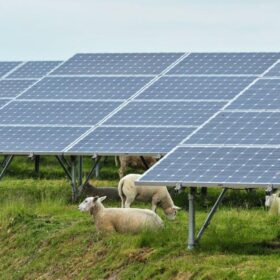
Agrivoltaics maintain or enhance forage quality, study finds
Researchers have analyzed the biomass and nutritional value of grasses and legumes for grazing dairy cattle, growing in agrivoltaics fields. The results showed that forage quality may be maintained or even enhanced in agrivoltaic environments.

Heat pumps may help boost residential solar in France
The government’s electrification plan, presented last week, includes a goal to double heat pump deployment in France by 2030, potentially benefiting the residential photovoltaic sector.

The solar support gap: Why do pro-solar citizens reject local projects?
Researchers from the University of Rhode Island explored why citizens who voiced pro-solar sentiments voted against a solar project development in a 2019 municipal referendum. Their analysis found objections over land use greatly outweigh proximity concerns.
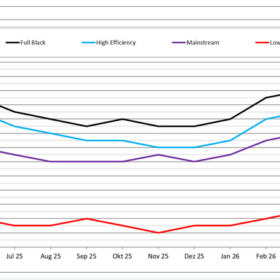
PV module prices continue to rise unabated
Photovoltaic module prices have risen for the fourth consecutive month, driven by strong demand for energy independence despite falling upstream costs such as polysilicon. At the same time, production cuts in China and tighter supply conditions are limiting availability, reinforcing price increases across all technologies.
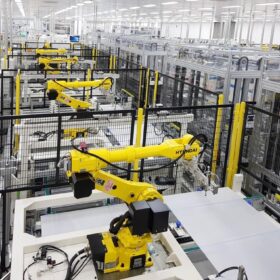
South Korea widens tax credits for low-carbon solar manufacturing
South Korea has extended investment tax credits to solar module manufacturing facilities meeting carbon footprint thresholds, in the latest step in a policy trajectory that increasingly uses procurement and tax measures to support domestic manufacturers.

OCI in talks with SpaceX for polysilicon supply
Media outlets in South Korea are reporting that Malaysia’s OCI TerraSus, a subsidiary of Seoul-headquartered chemicals company OCI Holdings, is in talks with SpaceX for a multi-year polysilicon supply contract.
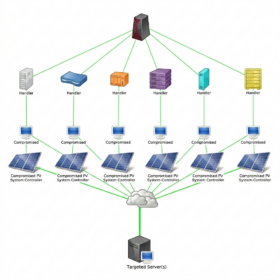
Cyber threats for PV: What are distributed denial-of-service attacks and how do they work
Denial-of-service attacks overwhelm networked systems with massive traffic from compromised devices, disrupting communication and making critical services like PV system monitoring and control unavailable. They can cause operational instability, reduced energy production, and safety risks, requiring layered defenses such as filtering, redundancy, and automated mitigation to maintain system resilience.
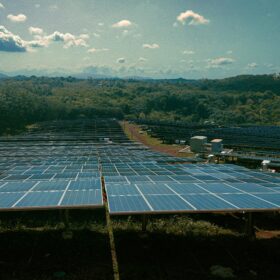
Italy PV grid connection requests reach 144 GW as ready-to-build pipeline grows to 9.34 GW
Italy recorded 3,670 PV connection applications totaling 144 GW amid a slight ongoing decline since August 2025, while ready-to-build projects rose to 210 or 9.34 GW, with capacity remaining concentrated in Sicily, Puglia and Sardinia.
