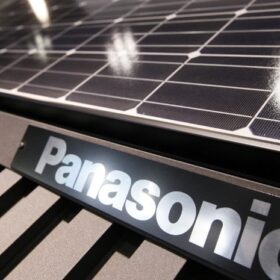
Panasonic introduces half-cut HJT residential solar modules
Panasonic unveiled its new residential solar modules – including half-cut heterojunction (HJT) models, along with a home battery system and energy management device – at the recent RE+ trade show in Las Vegas.
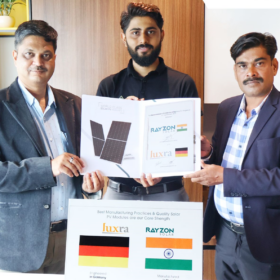
Luxra, Rayzon Solar set up PV module production venture in India
Swiss-German company Luxra Group and India’s Rayzon Solar have agreed to set up a joint venture for PV module production in India. The partnership will combine Luxra’s technology and Rayzon’s operational expertise in PV panel manufacturing.
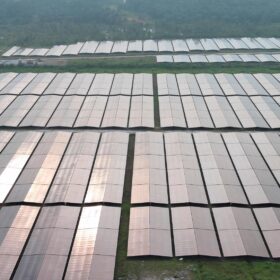
GoodWe finalizes 10.9 MW solar plant in Malaysia
Chinese solar inverter and battery producer GoodWe has completed the construction of the 10.95 MW Solar Citra Project in Malaysia, with Apricum senior advisor Moritz Sticher telling pv magazine that although the scale of the plant is ‘small’ every project in the Southeast Asian country counts.

French developer builds agrivoltaics facility with irrigation system
TSE has installed a 2.9 MW agrivoltaics plant in northern France with sensors to trigger an irrigation system. The irrigation setup can reportedly achieve significant water savings. The company is selling the electricity under a 20-year power purchase agreement (PPA).
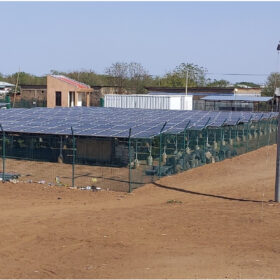
Assessing non-linear tradeoffs in photovoltaic mini-grids
Researchers in Sweden investigated the complex non-linear tradeoffs between capacity expansion costs and reliability levels of off-grid PV mini-grids and found that capacity expansion based solely on cost-minimization may result in several reliability issues.
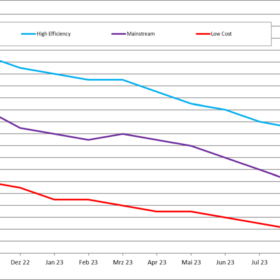
Solar module price falling, with no end in sight
Solar module prices have never fallen so sharply in such a short period of time. One reason for this is the “PV module glut” in warehouses in Europe, according to pvXchange’s Martin Schachinger.
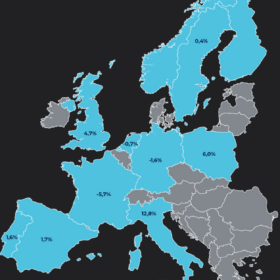
Pexapark records slight increase in European PPA prices for August
Power purchase agreement (PPA) prices increased by 1.4% on average in Europe in August, according to Pexapark. It says that only nine deals with a combined capacity of 193 MW were closed.
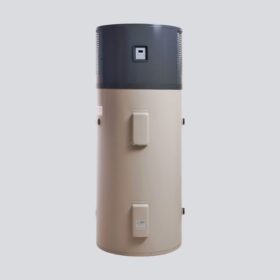
Rinnai launches hot water heat pump for residential applications
The new heat pump can purportedly provide hot water at a temperature of up to 70 C. It is specifically designed for climatic conditions with temperatures ranging from -10 C to 42 C, as well as coastal locations.
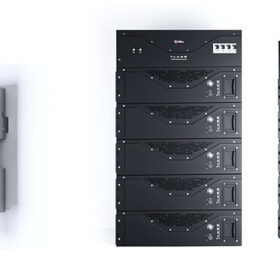
Riello Solartech unveils hybrid inverters for rooftop PV
Riello Solartech has developed new hybrid inverters for rooftop PV, designed for commercial and industrial applications The Italian manufacturer says they have a European efficiency rating of roughly 98%.
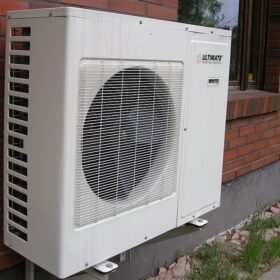
Heat pump adoption in Canada
The Canadian Climate Institute has released a report that explains how to unlock lower-cost heating and cooling in Canada. It outlines barriers to adoption and makes recommendations to streamline the loan and grant application process.
