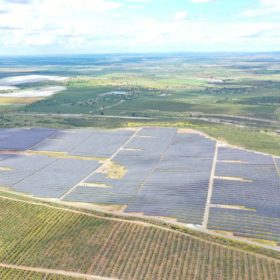
Portugal sees 74 MW of utility-scale PV coming online
German group WiNRG completed three of the six projects totaling 205 MW that it is currently building in Portugal.
German solar PPA market to reach 300 MW in 2020
After the slump caused by the Covid-19 crisis, the demand for subsidy-free photovoltaic projects has again picked up in Germany. By the end of 2022, German consultancy company Enervies sees a maximum potential of up to 3.6 GW for photovoltaic systems that could be implemented outside of the EEG subsidy scheme.

US corporate solar market reaches 8 GW
The new Solar Means Business report by the Solar Energy Industries Association indicates that low prices and climate change commitments are driving corporate interest in solar and storage. Apple, Amazon and Walmart lead the list of top players.
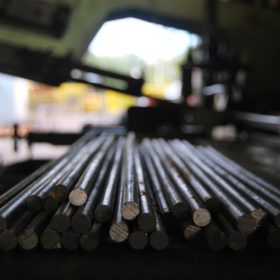
US steel mill to get powered by 300 MW of solar
The iron and steel sector is the ‘world’s largest industrial source of climate pollution.’ This steel mill in Pueblo, Colorado, will be the first in North America to rely on solar power.
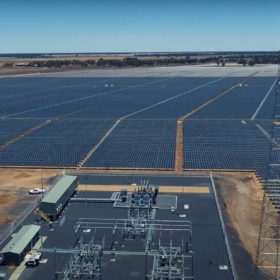
Australia’s national science agency to buy solar power under 10-year PPA
CSIRO, Australia’s national science agency, has signed a 10-year PPA with Ross Garnaut’s Zen Energy. The deal will see solar energy from two solar parks halve the agency’s emissions.
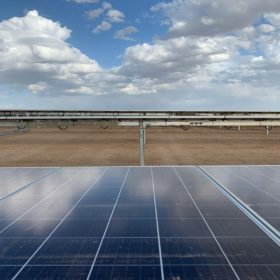
Two more PPAs for Spanish solar plants
Solaria secured a ten-year deal to supply solar power from a 150 MW of generation capacity this week and a Sino-Israeli consortium signed a deal to supply energy from 50 MW of capacity over the same term.
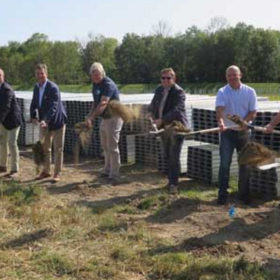
Subsidy-free, utility scale German solar farms could sell power on spot market
The unsubsidized market is taking another step forward in Germany with the news of two projects ready to sell power to the wholesale market as well as through PPAs.
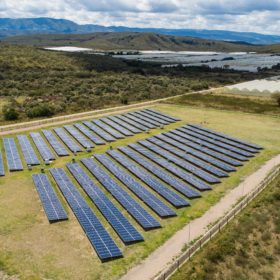
Solarise Africa raises $10 million to spearhead its clean energy expansion in Africa
Financial solutions company Solarise Africa has raised US$10 million to support its investment in solar PV projects in Kenya, Rwanda and South Africa. The company has also set its sights on more “difficult” territories, like the DR Congo, Chad and Sierra Leone. CEO Jan Albert Valk talked to pv magazine about the company’s plans, and the “overwhelming” need for more renewable energy investment on the African continent.
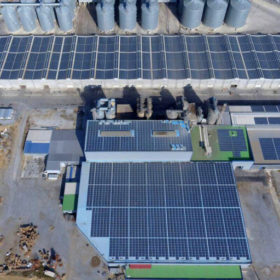
The future of solar PPAs in Turkey
Both the current status, and the future of, solar PPAs in the Turkish market as a key tool for increasing PV capacity has become a widely discussed topic. This is particularly due to the fact that after mid-2021, the future of YEKDEM (Turkey’s local FIT regime) is uncertain. The incentives could be lower than expected, or even unavailable for some technologies. This has raised the question of alternative financing mechanisms with respect to new investments.
Netherlands allocates 3.44 GW of PV in spring round of 2020 SDE+ program
The Dutch government awarded 3.91 GW of renewable-energy capacity in the program’s latest round. It set aside €4 billion for the exercise, but only used €3.3 billion, including €2.1 billion for PV.
