
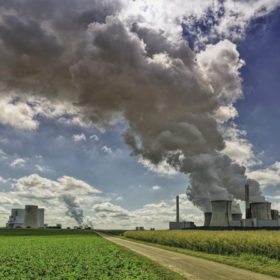
New German government coalition wants to deploy another 143.5 GW of solar this decade
The new plan would require the deployment of around 15 GW of new PV capacity each year to 2030. The agreement also includes the gradual phasing out of all coal power plants by the end of the decade.
Round-the-clock tenders can help India meet demand for firm renewable power
A report has stated the renewable-plus-fossil fuel model is the best short term option to meet the assured supply conditions in the Solar Energy Corporation of India’s round-the-clock power tenders. Further out, as the cost of batteries decline, that technology is likely to become the most viable option for providing critical, non-intermittent power.

Malaysia launches scheme enabling consumers to buy renewable energy
Through the Green Electricity Tariff (GET) program, the government will offer 4,500 GWh of power to residential and industrial customers each year. These will be charged an additional MYE0.037 ($0.087) for each kWh of renewable energy purchased.
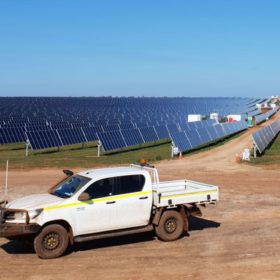
Renewables to drive down prices as fossil-fuel generators exit Australian electricity market
Ongoing growth in both renewable generation capacity, including rooftop solar, large-scale wind and solar, and dispatchable power in the form of big batteries is expected to drive down household power bills across the National Electricity Market in the coming years despite the impending closure of several of Australia’s ageing fossil-fuel fired power stations.
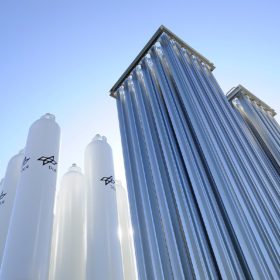
Utilities and financial investors are investing in renewables, especially hydrogen, like never before
A new Ernst & Young power and utilities overview report shows that utilities and other deep-pocketed investors are putting financial support behind their environmental, social and governance initiatives.

Developers building solar park along French highway
The five-hectare project is part of the Vinci Group’s plan to develop unused areas close to the motorways operated by its unit Vinci Autoroute.
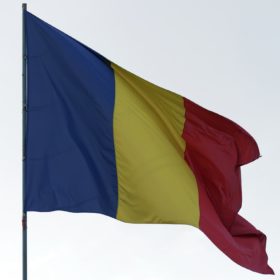
Romania allocates $63.7 million for solar rebates in 2022
The scheme provides rebates for installations larger than 3 kW in size provided that the grant does not exceed RON20,000 for conventional projects and RON25,000 for projects in isolated areas.
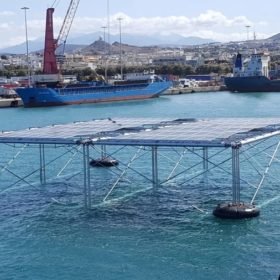
Pilot floating platform for offshore hybrid wind-solar-wave projects
Developed by German company Sinn Power, the floating platform currently hosts solar modules totaling 80 kW and may also embed small wind turbines and wave energy converters.
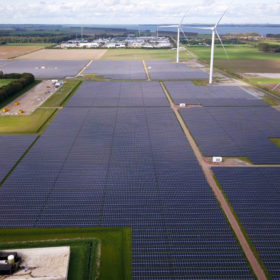
RWE sells Belectric to Czech utility CEZ
The German Federal Cartel Office is currently reviewing the transaction. RWE confirmed the plan.
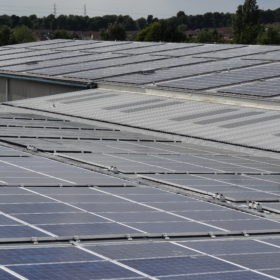
Swedish utilities are competing to buy distributed solar power
Swedish power utilities and electricity traders are increasing their efforts to buy surplus solar power from residential prosumers under fair competition conditions, according to analysts from local consultancy Becquerel Sweden. In a conversation with pv magazine, they analyzed the reasons for this new corporate mentality and observed a possible trend for the global solar market.
