
Computational method shows Italy may install 144.5 GW of PV by 2050
According to a new study, PV may reach an installed power of 144.5 GW in Italy by the end of the first half of the century, followed by onshore and offshore wind with 59.6 GW and 17.6 GW, respectively. The research is based on a new computational model that identifies the best spatial distribution of renewable energy sources in an individual country or electricity system while avoiding problematic concentrations of technologies
New dopants may improve PV glass performance
According to a British-Swedish research team, the down‐shifting process for solar glass manufacturing can be improved through the use of two dopant cations that produce no absorption bands. The doping with these compounds is said to reduce the UV transmission while also keeping the glass free from absorption in the visible and near-infrared ranges.
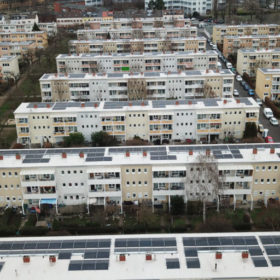
Germany deployed 447 MW in July
According to the latest figures from the Federal Network Agency, the country’s cumulative installed PV power has now reached 51.98 GW.
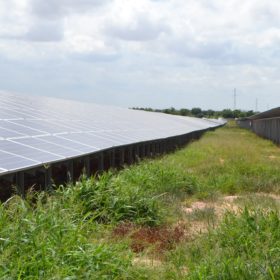
Burkina Faso launches tender for 9 MW of solar
National utility Sonabel plans to build four solar projects in the towns of Dori, Diapaga and Gaoua. Interested developers have until Oct. 5 to submit their proposals.

South Africa kicks off 2 GW tech-neutral tender to improve power supply
The South African Department of Mineral Resources and Energy (DMRE) is requesting proposals for the Risk Mitigation Independent Power Producers Procurement Programme (RMIPPPP). The tender is intended to procure 2 GW of capacity in response to the chronic short-term electricity supply gap that is affecting the country and its mining sector. Renewables are also entitled to compete.
Renewables improve reliability outlook for Australia’s main grid
Australia’s power supply has improved, as new solar and wind capacity are making summer blackouts less likely, says the Australian Energy Market Operator. Timely commissioning of new generation, storage and transmission investment will be critical, given the nation’s aging coal fleet and looming plant closures.

India can’t match Gulf region’s record-low PV tariffs
India’s solar tariffs are some of the lowest in the world, but they’re almost double the Gulf region’s tariffs.
Daily news roundup: SunPower and Maxeon split, Bulgaria to host 400 MW of PV
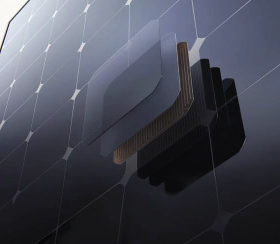
SunPower and Maxeon Solar Technologies finalized their plan to split into two independent entities, while Austrian solar developer Energy BG 1 revealed plans to build a huge unsubsidized solar project in Bulgaria.
France installed 379 MW of PV in H1
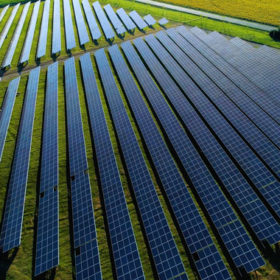
France’s cumulative PV capacity reached 10.3 GW at the end of June. Solar generated 6.7 TWh of electricity in the first half of 2020, compared to 5.9 TWh during the same period in 2019, representing 3.0% of French electricity consumption.
Indian state of Gujarat launches 110 MW PV tender
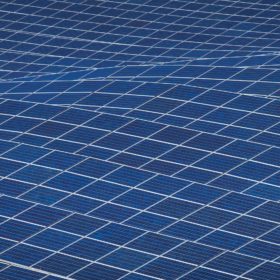
Gujarat State Electricity Corporation Limited (GSECL) has invited bids to set up an aggregate 110 MW of grid-connected solar power plants at several substations operated by Gujarat Energy Transmission Corporation Limited. Bidding closes on September 16.
