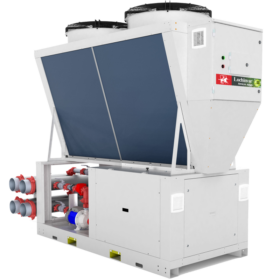
Lochinvar unveils heat pump to supply hot water at up to 70 C
Lochinvar has developed a heat pump with a hot water supply of up to 70 C, with a coefficient of performance (COP) of 5.5. The system is entirely cascadable, offering outputs ranging from 88 kW to 880 kW. It also includes 455 liters of hot water storage capacity and uses propane (R290) as a refrigerant.

Jaguar building large-scale storage system with second-life EV batteries
Jaguar Land Rover and Wykes Engineering are building a 2.5 MWh storage system with electric-vehicle batteries taken from Jaguar I-PACE cars. The large-scale system will store wind and solar at an undisclosed location in the United Kingdom.

South Korea plans PV-powered 1 GW data center complex
The South Korean government says it plans to set up a 1 GW data center complex powered by solar. The expansive facility will be built in Haenam, a county in South Jeolla province. It will accommodate 25 data centers, each with a capacity of 40 MW.
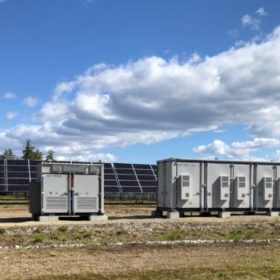
Engie acquires Broad Reach Power
Engie has acquired 350 MW of operating storage assets and 880 MW of assets under construction from US battery specialist Broad Reach Power, with commissioning of the latter assets expected by the end of 2024.
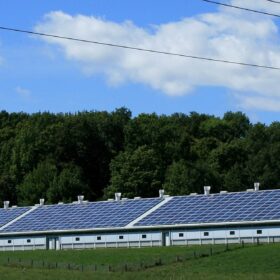
France concludes C&I rooftop PV tender with average price of €0.10195/kWh
The French authorities have concluded a procurement exercise for commercial and industrial (C&I) rooftop PV projects, allocating 378 MW of solar capacity to 60 developers at an average price of €0.10195 ($0.09066)/kWh.
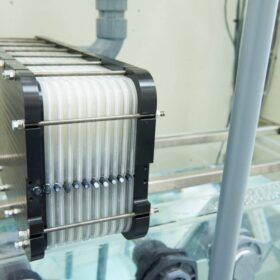
Redesigned zinc-air batteries ‘better’ than lithium, say Australian researchers
Researchers at Edith Cowan University in Australia have redesigned zinc-air batteries and have found the technology to be preferable to lithium-ion batteries – even for electric vehicles.
India’s solar installations hit 6.8 GW in H1
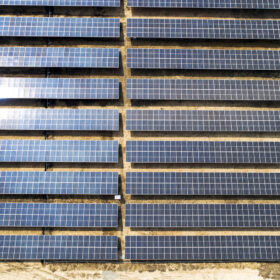
India installed 6.8 GW of solar capacity in the first half of 2023, down 15% year on year, according to JMK Research.
Australian shipbuilder to deliver world’s largest all-electric ferry
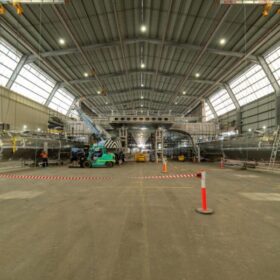
Australian’s Incat Tasmania is building the world’s largest all-electric ship at its shipyards in Hobart. The 130-metre-long vessel is to be fitted with a 40 MWh battery energy storage system that will power a series of electric propulsion system and waterjets.
Driving down solar costs key to unlocking green hydrogen future
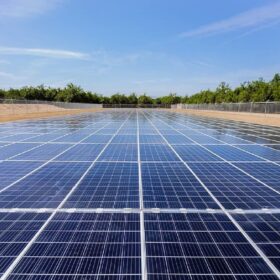
Jim Tyler, CEO of solar tech specialist Erthos, says that reducing the cost of solar electricity will be needed to unlock the next chapter of the energy transition: a green hydrogen economy.
Weekend Read: ‘Please open your wallets’
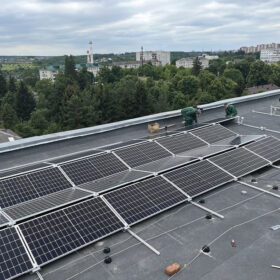
Donations of cash and solar equipment have thrown a lifeline to schools, hospitals, and communities in Ukraine but the country needs much more, including long-term backing for the recovery of its industry, reports Ian Skarytovsky.
