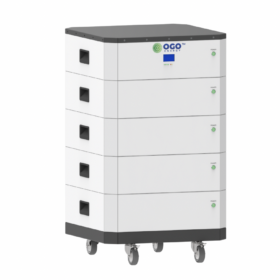
OGO Energy introduces residential battery storage solutions
India’s OGO Energy has developed modular battery energy storage systems with smart management capabilities. Up to five battery modules of 5.12 kWh each can be combined for a total storage capacity of 25.6 kWh.
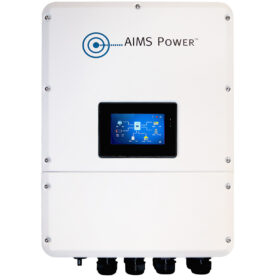
Aims Power introduces hybrid inverter for solar-battery systems
Aims Power has developed a hybrid inverter for solar-battery systems, with power outputs of 4.6 kW and 9.6 kW and solar input capacities of 6.9 kW and 15 kW.
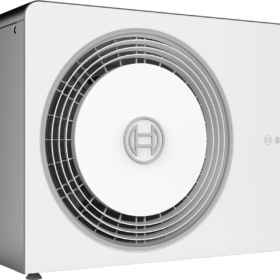
Bosch sells new propane heat pumps with PV packages
Bosch is currently selling the new heat pumps in the DACH markets and is planning to expand sales in other European markets in September. The new products use propane as the refrigerant and integrated sound diffusers. The manufacturer is also offering a power meter/sensor enabling the heat pumps to work with any existing PV system and battery storage solution at home.

Germany records 1.2 GW of new solar in July
Germany deployed 1.2 GW of new solar capacity in July, contributing to a 7.69 GW expansion in total new PV capacity for the first seven months of 2023. By the end of July, the nation’s cumulative installed solar capacity had surged to 75.17 GW.

Multi-generation photovoltaic leaf to produce electricity, thermal energy, water
A UK research team has developed a photovoltaic leaf concept that can produce electricity, water and thermal energy in a single device. The system, inspired by a leaf, is based on a biomimetic transpiration (BT) layer that cools down the embedded PV unit and utilizes excess heat from the cell to produce water and heat energy.
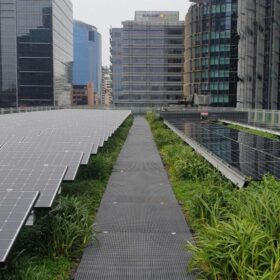
Study shows biosolar rooftop system benefits power output
A group of Australian researchers say they have confirmed the benefits of combining rooftop solar installations with ‘green’ roofs with new research showing the combination increased solar generation by as much as 107% during peak periods.
SolarEdge adds power control system to inverter for system oversizing
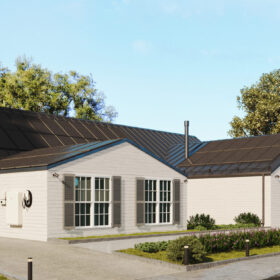
Installers can avoid costly main panel upgrades due to updates to the company’s Home Hub and Wave inverters.

July sees above average irradiance across most of Asia, Typhoon Doksuri couldn’t dim high irradiance
In a new weekly update for pv magazine, Solcast, a DNV company, presents the solar irradiance data it collected for Asia in July. The data show that Super Typhoon Doksuri and the associated cloudiness could not bring monthly irradiance below the long-term averages for most of the continent.
BIPV solar cell based on distributed Bragg reflector electrode
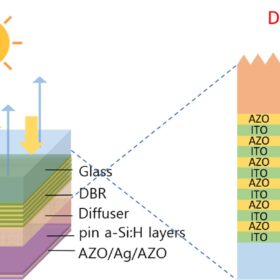
South Korean scientists have developed a new building-integrated photovoltaic (BIPV) solar cell featuring a distributed Bragg reflector (DBR) electrode. This innovation is expected to enhance light scattering and meet aesthetic standards.

ClearVue releases results from first long-term study of clear solar glass
Perth-based ClearVue is making significant strides as its transparent solar windows demonstrate tangible outcomes following a two-year study and published paper.
