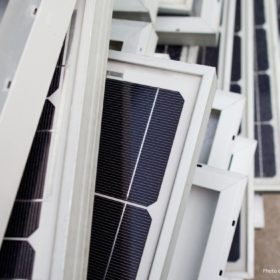
European study shows continent exports solar waste
Europe’s solar boom is hiding its waste through exports, according to a new study. Instead of recycling, as expected under European regulations, vast amounts of solar panel waste are exported, undermining sustainability goals. The researchers suggest a digitized value chain as a potential fix to work toward a circular economy.
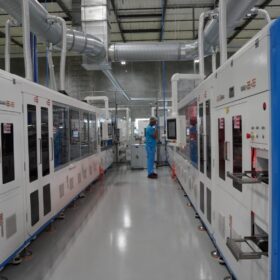
Turkish solar module manufacturer launches production in Texas
Elin Energy says it has an agreement with key US distributors and will begin with 1 GW of annual PV module production, with plans to increase to 2 GW within 18 months.

Dracula Technologies, STMicroelectronics unveil photovoltaic illuminometer
France’s indoor organic PV specialist Dracula Technologies and Swiss-headquartered semiconductor manufacturer STMicroelectronics demonstrated a battery-free illuminometer at the Embedded World trade fair in Germany last week.

France to tender 240 MW of solar capacity along highways
The French authorities plan to launch a series of tenders to deploy PV systems along highways, starting this month.

US median residential solar price hits $2.80/W, with 8-year payback period
EnergySage says market figures from the second half of 2023 show moderate declines in the cost of solar and energy storage.
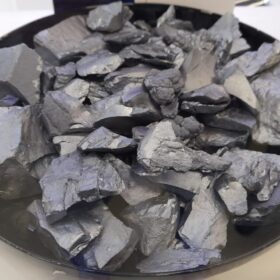
‘Polysilicon price will stay above $5.50/kg for at least a year,’ says analyst
Andries Wantenaar, solar analyst at Rethink Technology Research, tells pv magazine that high overcapacity levels in the polysilicon industry are exerting enormous pressure on prices for the entire supply chain. He says China hit 2.4 million tons of polysilicon production capacity at the end of 2023, and notes that the nation will end 2024 with 4 million tons of capacity if all announced production plans are realized.
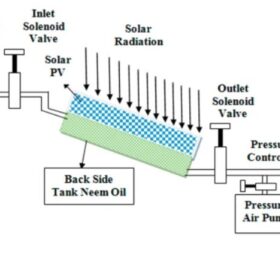
Solar module cooling tech based on waste neem oil
An international research team has placed a neem oil tank on the back of solar modules for cooling purposes. The proposed solution reportedly improves PV panel performance by up to 17.8%.

Glint Solar adds PV degradation maps to utility-scale developer software
The Norwegian PV planning software company said it added the new PV degradation maps to pinpoint site locations with favorable climatic conditions.

How much polysilicon is enough
TU Delft researchers have proposed a new approach for solar cell manufacturing that implies gauging wafer thickness depending on the regions where the cells and modules will be deployed. They also suggested to adopt test conditions that are representative of the outdoor working condition of solar cells in an alternative to standard testing conditions.
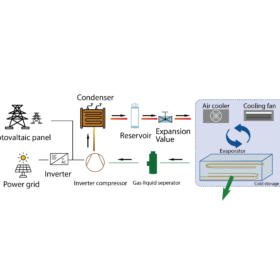
Photovoltaics for cold storage
Researchers in China have developed a photovoltaic cold storage system that is reportedly able to improve refrigeration capacity and ice storage rate. The system is said to ensure a stable cooling system operation for the refrigeration needs of agricultural products.
