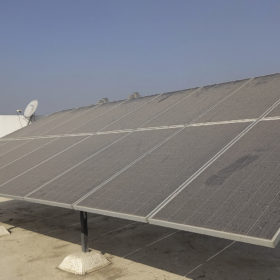
Soiling – a multibillion-dollar issue
A new report by the International Energy Agency’s Photovoltaic Power Systems Programme (IEA-PVPS) estimates that lost revenue from PV module soiling amounts to more than €3 billion ($3.2 billion) per year – an amount that is only set to increase as PV systems grow larger and more efficient.
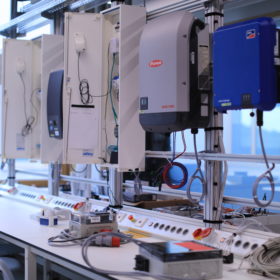
Survey: How should smart grids be implemented?
PV integration in smart grids is a complex but highly relevant issue, with various aspects to be considered to develop different scenarios. Researchers in the IEA-PVPS Task 14 program are conducting a survey to collect opinions from peers in the PV branch to perform such an analysis.
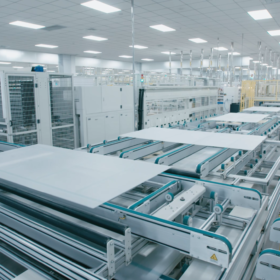
SC Solar signs PV production equipment deal in India, Jinchen increases capacity
SC Solar has secured a $41.78 million supply contract from India’s Reliance, while Jinchen Machinery has announced plans to raise CNY 1 billion ($148.6 million) to expand its capacity and develop new heterojunction cell and module production lines.

TotalEnergies announces results of vertical agrivoltaic pilots in France
French energy giant TotalEnergies studied the impact of solar panels on crops in order to develop a repository of agronomic benefits. The initial results show an increase in agricultural yields on field crops and a reduction in water stress.

India installed almost 14 GW of solar in 2022
India installed 13,956 MW of solar between January and December 2022. This included 11.3 GW of utility-scale PV, about 1.9 GW of rooftop solar, and nearly 700 MW of off-grid/distributed capacity.
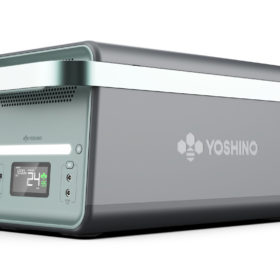
US startup unveils portable solid-state lithium-ion battery for residential use
California-based Yoshino Technology has developed portable batteries using solid-state Li-NCM cell technology. The four variants come with power outputs of 330 W, 660 W, 2,000 W, and 4,000 W.
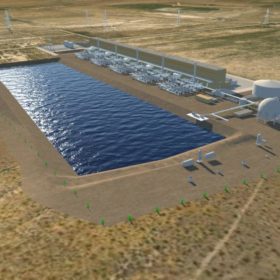
California aggregator to buy capacity from compressed air storage project
Under a 25-year agreement valued at nearly $1 billion, a community choice aggregator has agreed to purchase 200 MW of eight-hour energy storage from Hydrostor’s planned 500 MW facility in California.
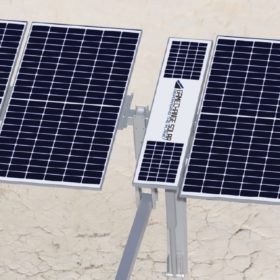
GameChange releases new solar tracker
US tracker manufacturer GameChange Solar’s latest product launch follows its recently announced decision to increase its annual domestic manufacturing capacity to 24 GW.
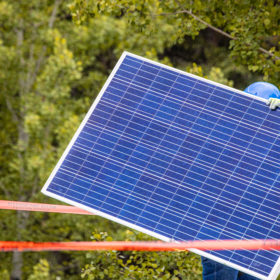
European joint venture to produce solar panels in Luxembourg
Luxembourg’s Socom and Belgium’s Evocells have announced plans to merge. The new company, Solarcells, will open a 50 MW solar panel factory in Luxembourg by the end of this year, with plans to potentially double its annual output by 2026.

Brek unveils 400 kW silicon carbide string inverter
Brek Electronics has applied its silicon carbide composite architecture in its new 200 kW and 400 kW inverters.
