




From ESS News
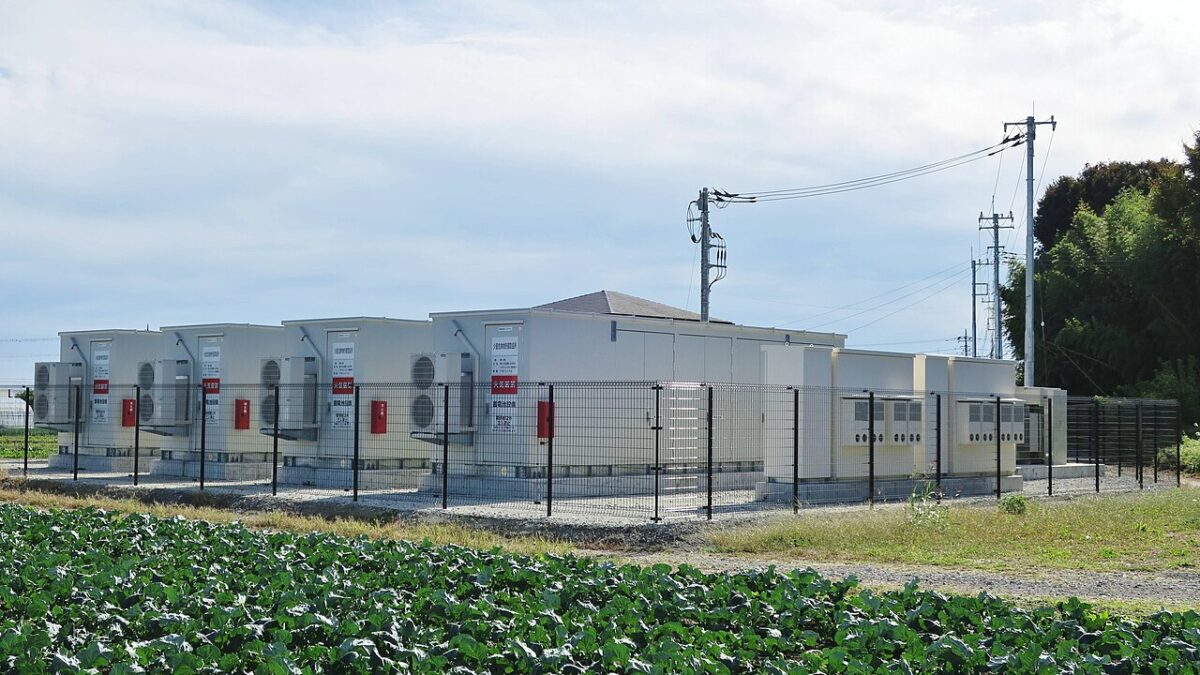
Panasonic has announced a full-scale cybersecurity monitoring trial for a grid-scale BESS facility in Japan.
The trial, which is performed by Panasonic’s holding company and its subsidiary, Panasonic Solution Technologies (PSTC), and in collaboration with Itochu, one of Japan’s largest general trading and investment companies, will take place under mostly simulated conditions. The companies note that technical and operational challenges prevent live validation efforts.
In addition, the press release notes that “[f]or security reasons, the location and detailed specifications of the demonstration facility have not been disclosed,” including the duration and scale of the test, or the number of battery systems and containers that will be tested.
Join us on Apr. 29 for pv magazine Webinar+ | Decoding the first massive cyberattack on Europe’s solar energy infrastructure – The Poland case and lessons learned Industry experts will explore real-world cyberattack scenarios, highlight potential vulnerabilities in solar and storage systems, and share practical, actionable strategies to protect your energy assets. Attendees will gain valuable knowledge on how to anticipate, prevent, and respond to cyber threats in the rapidly evolving solar energy sector. The companies note that an unspecified “cybersecurity monitoring solution” will be deployed at the grid-scale BESS facility to evaluate its monitoring effectiveness. Specifically, the test will assess “whether continuous monitoring of communications and system behavior under conditions representative of actual grid operations enables early detection of anomalies and accurate situational awareness.” In addition, the project will “identify implementation and operational challenges and key considerations associated with deployment in commercial settings,” as the joint effort attempts to understand the realities of grid-scale BESS deployments in the field. The tech will use logic specifically designed for power-control communications used in grid-scale BESS, including protocols and command behaviors unique to energy management systems such as IEC 61850 or DNP3. Panasonic does offer its branded Verzeuse solution for automotive cybersecurity, which may serve as some aspect of the backbone of the technology. To continue reading, please visit our ESS News website. This content is protected by copyright and may not be reused. If you want to cooperate with us and would like to reuse some of our content, please contact: editors@pv-magazine.com.


By submitting this form you agree to pv magazine using your data for the purposes of publishing your comment.
Your personal data will only be disclosed or otherwise transmitted to third parties for the purposes of spam filtering or if this is necessary for technical maintenance of the website. Any other transfer to third parties will not take place unless this is justified on the basis of applicable data protection regulations or if pv magazine is legally obliged to do so.
You may revoke this consent at any time with effect for the future, in which case your personal data will be deleted immediately. Otherwise, your data will be deleted if pv magazine has processed your request or the purpose of data storage is fulfilled.
Further information on data privacy can be found in our Data Protection Policy.