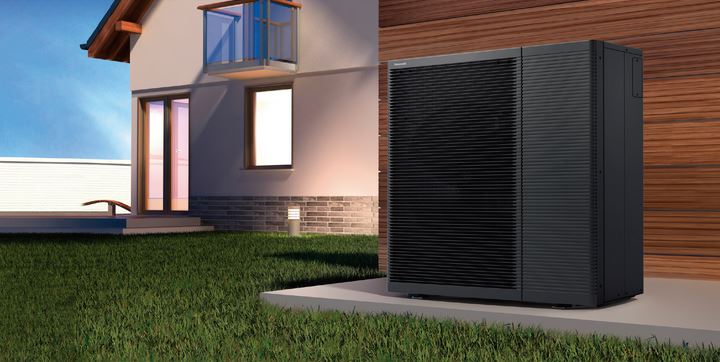





Japanese electronics manufacturer Panasonic announced it is currently testing a new energy management system (EMS) that helps increase residential PV self-consumption by combining solar energy generation with heat pumps and batteries.
The first pilot projects are being carried out in the Tokyo metropolitan area with the support of Japanese oil giant Eneos.
Panasonic is deploying its HEMS/BEMS batteries at PV-powered homes and businesses that are Eneos' clients and will provide remote control heat pump water heaters, air conditioning equipment, and the batteries themselves.
“By appropriately controlling the charging and discharging of the batteries using our proprietary algorithms, we aim to increase the utilization rate of renewable energy by maximizing self-consumption of solar power,” the company said in a statement. “We will also assess the profitability and operational viability of electricity market transactions and potential cost reductions.”
More technical details on the new EMS solution were not revealed.
Panasonic recently released a new version of its Eco Cute CO2 heat pump that is equipped with a solar radiation shift function adjusting domestic hot water (DHW) production during daytime to rooftop PV power generation. The product was developed with Tepco Energy Partner, an electricity retailer owned by Japanese utility Tokyo Electric Power (Tepco).
Last year, Panasonic announced it integrated a series of home energy management solutions into its Aquarea air-to-water heat pumps for commercial and multi-dwelling residential applications. The system was equipped with the Balance smart thermostats and the Heat Pump Optimizer X management system from Germany-based Tado.
This content is protected by copyright and may not be reused. If you want to cooperate with us and would like to reuse some of our content, please contact: editors@pv-magazine.com.


By submitting this form you agree to pv magazine using your data for the purposes of publishing your comment.
Your personal data will only be disclosed or otherwise transmitted to third parties for the purposes of spam filtering or if this is necessary for technical maintenance of the website. Any other transfer to third parties will not take place unless this is justified on the basis of applicable data protection regulations or if pv magazine is legally obliged to do so.
You may revoke this consent at any time with effect for the future, in which case your personal data will be deleted immediately. Otherwise, your data will be deleted if pv magazine has processed your request or the purpose of data storage is fulfilled.
Further information on data privacy can be found in our Data Protection Policy.