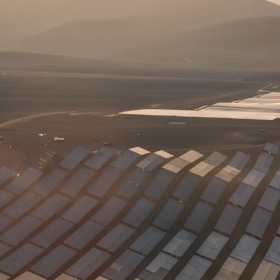
Pacific Hydro commissions 293 MW of PV with 110 MW/220 MWh of storage in Chile
Pacific Hydro has brought its 293 MW Desierto de Atacama solar project online with 110 MW/220 MWh of battery storage. The Atacama Desert facility is expected to supply 780 GWh of clean electricity annually to more than 310,000 homes.
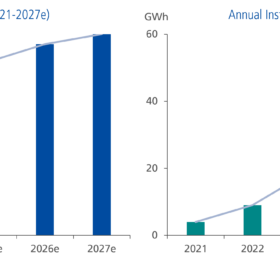
Global solar enters period of adjustment, as market conditions redefine rules of competition
Global solar growth is flattening in major markets as oversupply from China and India drives prices down and shifts competition from sheer volume to execution, policy alignment, and system integration. Across the U.S., Europe, and China, energy storage is becoming essential for project viability, making PV-plus-storage and strong EPC partnerships the new basis for winning projects in 2026 and beyond.
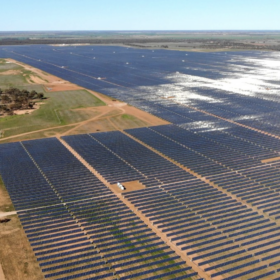
Australian state’s utility-scale solar tops 1 TWh in December
Solar farms in New South Wales led the way for Australia’s utility-scale PV energy output in December 2025, generating 1,052 GWh of renewable electricity.
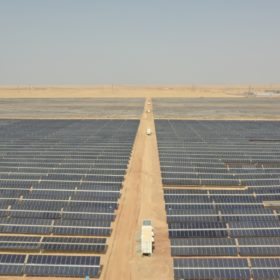
Scatec secures PPA for Africa’s largest solar-plus-storage project
Scatec has inked a 25-year power purchase agreement in Egypt for a 1.95 GW solar, 3.9 GWh battery energy storage project, representing the developer’s largest investment to date.
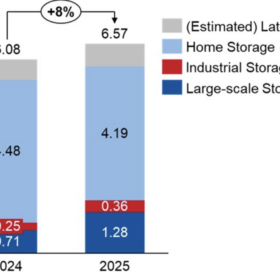
Germany adds 6.57 GWh of battery storage in 2025, total hits 24 GWh
Germany added an estimated 6.57 GWh of stationary battery storage capacity in 2025, an increase of about 8% year on year, lifting total installed capacity to roughly 24 GWh. Growth was driven by industrial and large-scale systems, even as home storage installations declined alongside weaker rooftop solar demand.
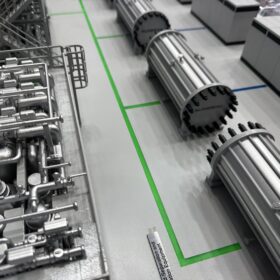
The Hydrogen Stream: RWE commissions 100 MW hydrogen electrolyzer
RWE has started commissioning a 100 MW electrolyzer in Germany to supply renewable hydrogen under long-term contracts, while Hydrogen Utopia International and Hydrogen Systems are advancing plans to build waste-to-hydrogen plants in Saudi Arabia.
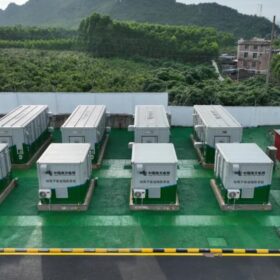
Sodium-ion battery cells already near lithium-ion cost parity, set to get cheaper
By 2050, sodium-ion batteries with fast learning rates could deliver storage at 11–14 €/MWh – cheaper than lithium-ion at 16–22 €/MWh – while also offering higher energy-to-power ratios and high cycle durability, a new research finds.
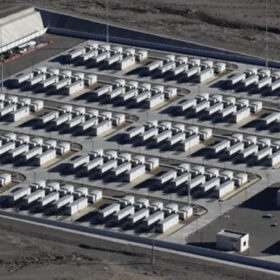
China’s switches on world’s first GWh-scale supercapacitor-energy storage project
The 500 MW/1 GWh Jiayuguan NingSheng project combines lithium batteries and supercapacitors to support grid stability and renewables integration.
Hydrogen faces ‘year of reckoning’ in 2026, says Wood Mackenzie
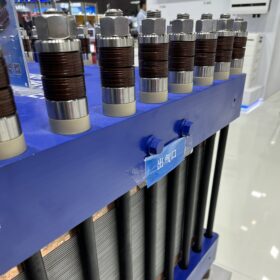
Wood Mackenzie’s 2026 market outlook for hydrogen expects non-biological origin hydrogen to gain momentum and ammonia crackers to reach commercial scale but predicts the Middle Eastern market to retreat and the EU to abandon its industrial hydrogen mandates.
Australia makes gains in electric vehicle uptake
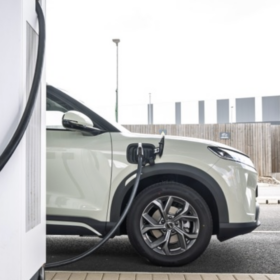
Australia recorded a sharp rise in electric vehicle sales in 2025, with new-car sales data showing nearly 157,000 EVs were purchased nationwide, up 38% from the previous year.
