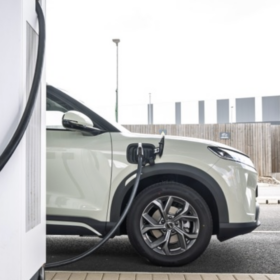
Australia makes gains in electric vehicle uptake
Australia recorded a sharp rise in electric vehicle sales in 2025, with new-car sales data showing nearly 157,000 EVs were purchased nationwide, up 38% from the previous year.
French regulator highlights flexible grid connections, battery queue pressures
France’s energy regulator says wider use of flexible grid connections is becoming essential as solar and battery projects compete for limited network capacity, with storage connection queues now totaling 2.8 GW.

Australia’s biggest battery starts commercial operations
The first stage of the biggest approved battery project in Australia is now fully operational with Origin Energy announcing the initial stage of the 700 MW / 3,160 MWh battery energy storage system being built next to its Eraring coal-fired generator in New South Wales has commenced commercial operations.

Poland’s massive new airport project to host utility-scale solar-plus-storage project
Poland’s Central Transport Port company tendered 20 MW of solar PV plus 50 MW of battery storage capacity with a working time of two hours. The project’s capacities could be expanded in the future, when the Port Polska airport will be fully operational.

New European solid-state battery business targets commercial production
Axen, Syensqo and IFPEN establish new company to produce high performance sulfide solid electrolytes for solid-state batteries in Europe. New company Argylium will develop its electrolyte portfolio at facilities in France.
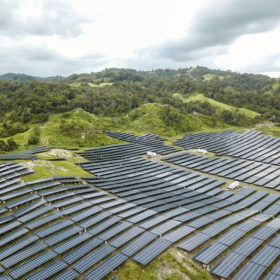
Grid code standards key to unlock Indonesia’s solar potential
New research shows how modern technical standards, combined with broader regulatory and grid reforms, are essential to ensure system reliability in the Indonesian electricity system as renewable capacity grows.
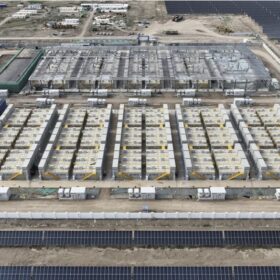
China connects world’s largest vanadium flow battery project
The GWh-scale long-duration energy storage project is expected to reduce curtailment in Xinjiang, a region of China with high solar and wind generation, and transmission bottlenecks. The flow battery installation is co-located with a PV plant.
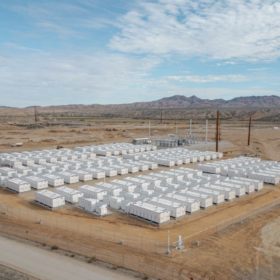
Regulatory changes could shape Brazil’s 2026 battery storage auction
Brazil’s long-awaited capacity reserve auction for battery energy storage is scheduled for April 2026, following a year of rulemaking that expanded the expected supply volume and introduced new legal and regulatory constraints.
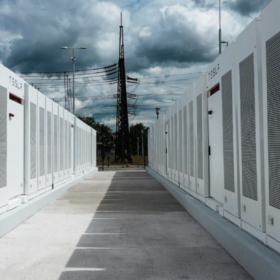
India’s energy storage market set for breakout year in 2026
After a record year for energy storage tenders in 2025, projects awarded since mid-2023 are expected to begin commissioning in 2026, reflecting typical development timelines of 18 to 24 months.
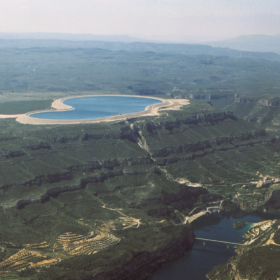
Spain opens €90 million funding round for 7 GWh of pumped hydro storage
Spain will provide €90 million ($105.3 million) in funding for nearly 1 GW of pumped hydro projects, adding 7 GWh of long-duration energy storage (LDES) by 2035. Each project will be eligible for a maximum €50 million grant and all work must be completed by June 30, 2035.
