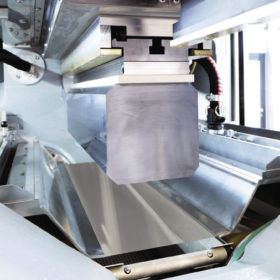
Covid-19 daily bulletin: Meyer Burger reduces working hours for staff
The Swiss equipment supplier already needed to shore up its bottom line and is now taking measures to help combat the spread of an epidemic which has also claimed November’s planned climate summit in Glasgow and an estimated 19% of this year’s demand for energy storage.
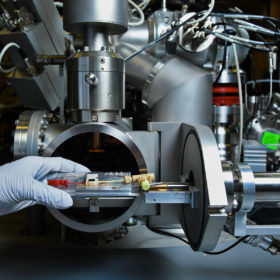
Carbon nanotubes pave the way for silicon in storage
Scientists in the United States have developed a carbon nanotube method of fabricating a lithium-ion battery with a silicon anode. The device reportedly demonstrated better than 87% capacity retention after 1,500 cycles. The developers say their discovery overcomes many of the obstacles to the use of silicon as an anode and could open up the use of other materials for electrodes in lithium-ion devices.
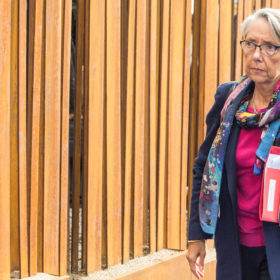
France awards 960 MW of solar through different tenders
Minister of the Ecological and Inclusive Transition Elisabeth Borne told a teleconference of renewables representatives the results of a recent slew of clean energy tenders which allocated 1.7 GW of generation capacity and also revealed new measures being taken to support the industry.

EU research group agrees to back controversial Spanish lithium mine
Australian company Infinity Lithium has signed a memorandum of understanding with the European Battery Alliance to promote its lithium mine project in San José, Extremadura. It would be the first lithium project to obtain European financing but has already raised the hackles of local environmentalists and residents.
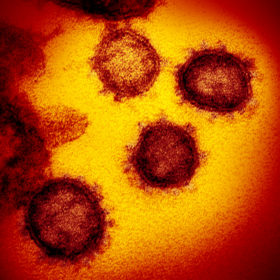
Covid-19 daily bulletin
pv magazine rounds up the latest Covid-19-related stories likely to affect the world of solar and energy storage.
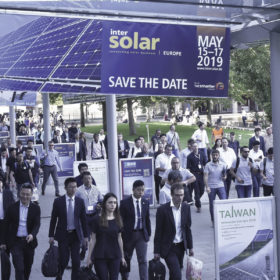
Intersolar Europe canceled
Another big solar event has joined the list of those canceled because of Covid-19. The next edition of The Smarter E event will take place next year.
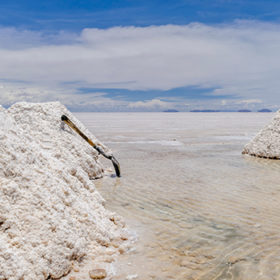
Australian researchers make lithium extraction breakthrough
Researchers led by Monash University have made a discovery that will dramatically reduce lithium-from-brine extraction times. The innovative breakthrough is as simple as a sieve.
A power-to-gas system integrating co-electrolysis and methanation
Researchers in Italy extensively analyzed four different configurations of their proposed system to assess its potential, including under non-optimal, ‘off-design’ conditions and concluded that, for now, subsidies would still be required for the commercial production of synthetic natural gas.

Gambia maintains solar ambition
The country’s power utility has completed the pre-selection process to seek developers for a 20 MW solar project in the Banjul region. The project will feature up to four PV plants and will be developed under the national Electricity Restoration and Modernization Project.
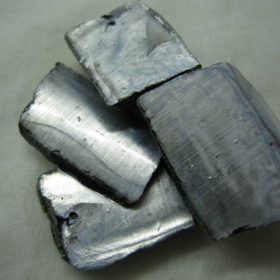
A stable potassium-ion storage with new cathode material
Scientists in China claim to have identified a special cathode material that could be utilized in more stable potassium-ion storage systems. According to the group, this new material could enable the development of storage systems able to retain 94% of their capacity after 2000 cycles, with 0.003% capacity fade per cycle.
