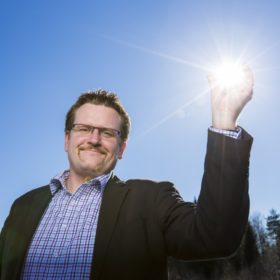
‘This is wartime and wartime requires war economy measures’
In a chat with pv magazine, Christian Breyer – Professor of Solar Economy at Finland’s Lappeenranta University of Technology – explains which consequences the war in Ukraine may have on Europe’s energy landscape. According to him, only an unprecedented development of renewable energies, heat pumps and storage may help address the current energy crisis.
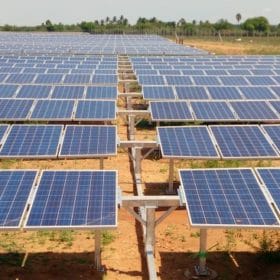
India installed 10GW of solar in 2021
India recorded its highest-ever annual solar capacity additions in 2021, despite the ongoing rise of component costs.
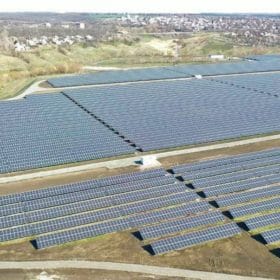
Scatec provides update on operations in Ukraine
The Norwegian renewable energy developer said its solar power plants are still intact and can be operated remotely. It is currently assisting its Ukrainian employees by offering transportation, accommodation and other immediate support.
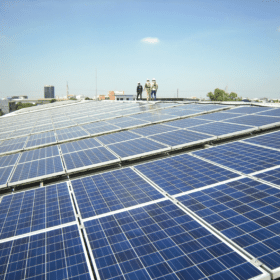
Belgium hits 7GW milestone
Belgium deployed around 850 MW of new PV systems in 2021, which is 300 MW less than in 2020 but more than what the local industry had expected.

Germany installed 420MW of PV in January
The cumulative capacity of all PV systems in Germany reached 56.7 GW at the end of January.
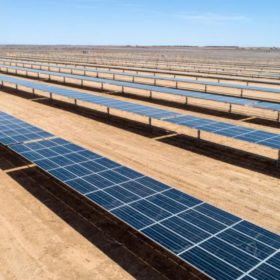
Work begins on 1.2GW renewable energy hub in Australia
Iron ore magnate Andrew Forrest has announced a AUD 3 billion ($2.2 billion) investment in a 1.2GW hybrid wind, solar and battery energy storage project in Queensland, Australia.
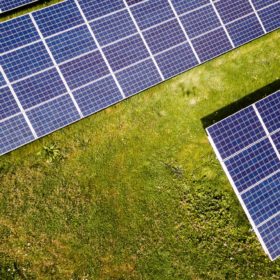
‘The major solar players will shift from PERC to TOPCon’
US analyst Clean Energy Associates made some notable predictions in its Q4 survey of the world solar manufacturing market, including echoing predictions made elsewhere that the new polysilicon production capacity coming online now will help arrest the spike in solar panel prices.
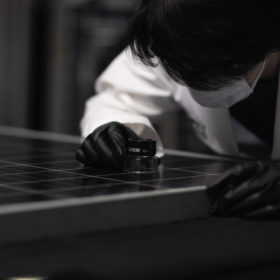
The weekend read: Buyer power in a tight PV module market
Material shortages, trade restrictions, and shipping bottlenecks create challenges for PV module buyers, but the good news is that there are steps to take to ensure quality supply in a timely fashion. PVEL CEO Jenya Meydbray takes us through best practice for module buyers in the current market climate.

Sustainable, vertically integrated solar manufacturing in India
A new report by JMK Research and IEEFA says that Indian solar manufacturers need to create a strong foundation for sustainable development by integrating raw materials into their R&D plans, rather than focusing solely on output.
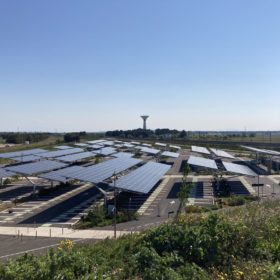
French rail operator launches tender for 156 PV carports
French state-owned railway operator SNCF plans to install 1.1 million square meters of solar modules at its train stations by 2030. Developers interested in its new solar carport tender have until April 15 to submit their project proposals.
