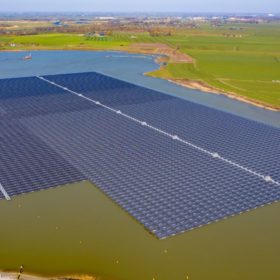
India unveils largest floating solar plant to date
A 25 MW project has been installed at the Simhadri thermal power station run by state-owned power company NTPC on the coast of Andhra Pradesh.
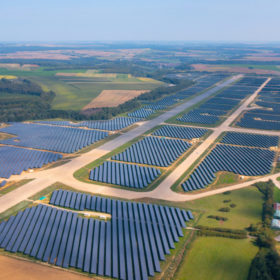
France’s second largest PV plant comes online
Built by the developers TSE and Enerparc, the facility has a capacity of 152 MW and is located in Marville, in northeastern France.
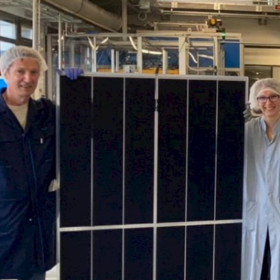
CEA-INES unveils shingled heterojunction PV panel with 21.41% efficiency
The module is claimed to be one of the top five most performant heterojunction solar modules, in terms of power density, with the champion panel achieving 214.15 W/m² and the average device 209.5 W/m². The panel showed an efficiency ranging from 20.95% to 21.41%.
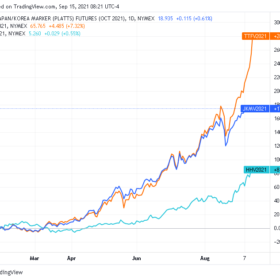
Skyrocketing energy, carbon prices already make green hydrogen competitive
Antonio Delgado Rigal, chief executive of energy forecasting service AleaSoft, tells pv magazine that skyrocketing gas and electricity prices are putting the global economy under strong pressure, while also opening up huge opportunities for solar, renewables and green hydrogen. He says current gas and electricity prices, along with rising CO2 prices, already make green hydrogen competitive. He therefore calls for immediate action on building new capacity, but acknowledges that a quick end is not yet in sight for rising prices.
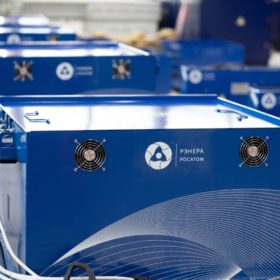
Rosatom identifies location for 3 GWh lithium-ion battery factory
Russian energy giant said its gigafactory will be located in Russia’s western exclave of Kaliningrad. The facility is expected to begin manufacturing activities in 2026.
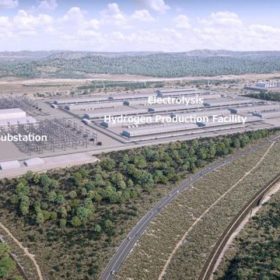
Australian generator teams with Japanese on 3 GW green hydrogen project
The Australian state of Queensland’s aim to become a leading producer and exporter of green hydrogen has received a boost, as state-owned electricity generator Stanwell has teamed up with a group of Australian and Japanese companies to launch a feasibility study for a proposed large-scale production and export project.

EU raises another €9bn for Covid recovery
The latest, seven-year investment attracted offers worth more than €100 billion from investors and means the European Union has already generated €54 billion of the €80 billion of bond proceeds it is aiming for this year, as part of its five-year, €800 billion NextGenerationEU support package.

Ecuador announces renewables auctions, plans to allocate 1 GW
Ecuador plans to launch a 500 MW procurement exercise in November.

Price increases hit US solar as trade uncertainties with China cloud growth goals
Price increases, supply chain disruptions, and a series of trade risks are threatening the U.S.’s ability to decarbonize the grid, warned SEIA president and CEO Abigail Ross Hopper.
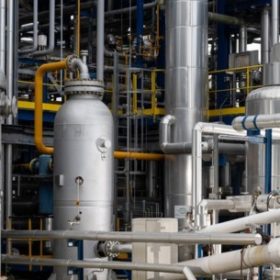
The Hydrogen Stream: work begins on Chile’s first green hydrogen project and French energy giants target decarbonized hydrogen
TotalEnergies wants to decarbonize hydrogen production in Normandy with the support of Air Liquide and, in Chile, an international consortium has begun construction of the country’s first green hydrogen facility. Elsewhere, the Indian government has invited U.S. companies to bid for green hydrogen and electrolyzer contracts.
