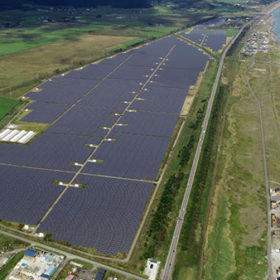
Japan’s largest solar-plus-storage plant is now operational
Softbank has energized a 102.3 MW solar park backed by 27 MWh of lithium ion storage capacity. The project was built on 132 hectares of land near the town of Yakumo, in the northern island of Hokkaido.
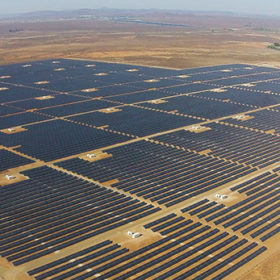
Sterling and Wilson to build solar+storage hybrid power plant in Niger
The latest project is another African opportunity for the India-based EPC player after successfully commissioning Nigeria’s first solar-plus-storage hybrid power plant, which is also Africa’s largest battery energy storage system.
Solar PPA prices in the US rise for the second consecutive quarter
LevelTen Energy’s Q3 2020 PPA Price Index report shows that average utility-scale solar PPA prices rose again in Q3, up to $29.3/MWh. And while the ITC step-down and simple economics are to blame, LevelTen shares that the increases are no cause for alarm.
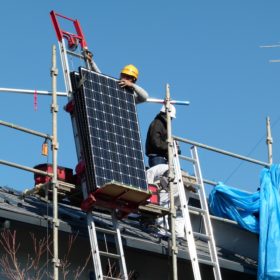
Chinese PV Industry Brief: Record residential solar installs and rumblings in the polysilicon market
The NEA has revealed more than 1.3 GW of solar capacity was added to Chinese rooftops last month, with more than 500 MW of it in Shandong province. While poly maker Daqo was forced to revise down its latest sales forecast it predicted a quick rebound in the current quarter.
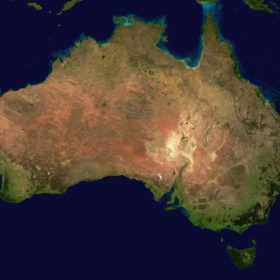
WA Govt approves 15 GW Asian Renewable Energy Hub, whole project now expanded to 26 GW
The Western Australian government has given environmental approval to the first stage of the Asian Renewable Energy Hub, a 15 GW hybrid solar and wind plant. The approval is a massive step forward for the project, which will eventually reach 26 GW, and an even larger step forward for green hydrogen development in Australia for domestic use and export.

UAE revises energy strategy in view of competitive PV prices
Falling solar prices are leading to a new energy strategy for the United Arab Emirates as local energy companies offer unbeatable prices that make green hydrogen increasingly affordable.
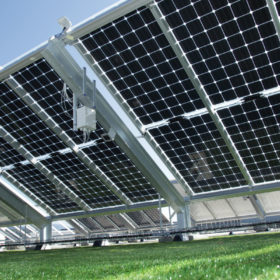
PV module innovations to lower solar costs in coming decade
A new report by Wood Mackenzie suggests that rapid solar module technology innovations in the next decade will lead to significant increases in module power class, better performance and more versatile applications. Technology and lower capex will be key to sector growth, it adds.

Bangladesh outlines plan for up to 40 GW of renewables in 2041
The most ambitious scenario fleshed out in a draft National Solar Energy Action Plan includes 16 GW of project capacity at large scale ‘solar hubs’ but actions will speak louder than words in a nation set to fall short of its current clean energy target.
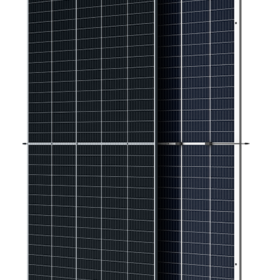
Trina Solar hits 1 GW of ultra-high power module sales
The Chinese giant has reported impressive sales figures for the 500 W+ and 600 W+ products it launched this year.
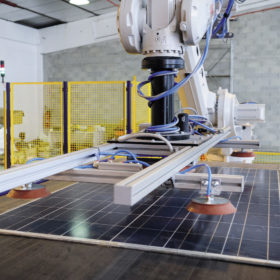
The weekend read: Circular innovations
Slowly but surely, environmental concerns are making their way into mainstream thought throughout the PV industry. A look at recycling offers an example of this, with stakeholders trying to get ahead of the high volumes of end-of-life modules already on the horizon. pv magazine examines the technologies that will be needed, alongside policy and economic support, to keep the bulk of these modules out of landfill and ultimately to establish a circular economy for PV materials.
