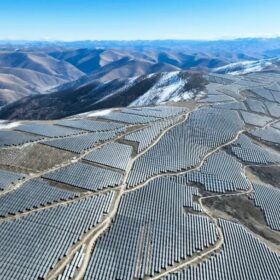
China switches on 1 GW of solar at 4,600 m above sea level
China’s SDIC subsidiary commissioned a 1 GW photovoltaic plant on the Yalong River in Sichuan, making it the world’s third-highest-altitude PV facility at 4,600 m. The project integrates with hydro assets to optimize energy output in the challenging plateau environment.

U.S. government cuts $83 billion in loans, reversing energy transition funding
The U.S. Department of Energy moved to de-obligate or revise billions in financing for clean energy projects while prioritizing natural gas and nuclear power.

Ikea, Svea Solar launch dynamic electricity tariff in Germany
Ikea is expanding its energy offerings in Germany with a dynamic electricity tariff in partnership with Svea Solar, changing every 15 minutes based on day-ahead market prices and available even to customers without its PV systems, storage solutions, or heat pumps.
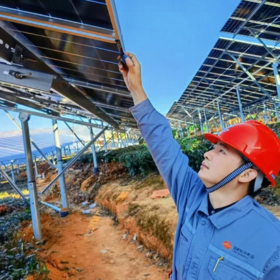
Agrivoltaics for tea plantations
CHN Energy, via its subsidiary Guohua Energy Investment, is constructing a solar project above a tea plantation in southwestern China, with the first 32 MW now connected to the grid.

Solar generates record 13% of EU electricity in 2025
EU solar generation increased by over 20% for the fourth year running in 2025, with its share in the energy mix surpassing coal and hydro. For the first time in history, solar and wind generated more energy in the EU than fossil fuels.
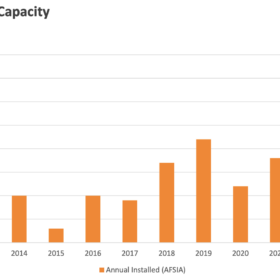
Africa’s installed PV capacity estimated above 63 GW
The Africa Solar Industry Association (AFSIA) has now identified 23.4 GW of operational solar projects across the continent but when taking into account Chinese PV export data, estimates total installed capacity in Africa could reach over 63 GW.

Italy installs 6.4 GW of PV in 2025
The country reached a cumulative installed PV capacity of 43.5 GW at the end of December, according to new figures released by Italian grid operator Terna.

Hungary adds 1.1 GW of solar in 2025
Hungary deployed over 1 GW of solar for the third consecutive year in 2025, driven largely by grid-scale solar additions. There are concerns momentum could slow in the coming years due to no new connection permits for large-scale projects authorized over the last three years.

Omani polysilicon factory reaches financial close
United Solar Holding has secured more than $900 million to complete the financing required for its 100,000 MT polysilicon manufacturing facility in Oman. Production is expected to begin during the first quarter of this year.

Pakistan’s installed PV capacity estimated above 27 GW
Pakistan has imported over 50 GW of solar modules from China, including 18 GW during the country’s last fiscal year. In the absence of official installation figures, Islamabad-based thinktank Renewables First says up to 33 GW of solar capacity could have been deployed in Pakistan to date.
