The Hydrogen Stream EU funds eight hydrogen projects under NetZero call
The EU Innovation Fund has awarded €2.9 billion ($3.4 billion) to 61 projects, including eight advancing hydrogen technologies across aviation, shipping, and heavy transport.

LG Chem, Sinopec to jointly develop sodium-ion battery materials
From ESS News China Petroleum & Chemical Corporation (Sinopec) and South Korea’s LG Chem have signed a joint development agreement to advance key materials for sodium-ion batteries, as the technology moves closer to mass commercialization. Under the agreement, the two companies will collaborate on developing cathode and anode materials for sodium-ion batteries, targeting applications in […]
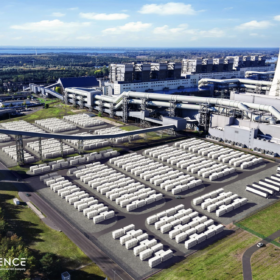
Fluence to supply Leag’s 4 GWh battery project, Europe’s largest, in Germany
Fluence Energy says it will supply a 1 GW/4 GWh battery energy storage system for German power producer Leag, marking both Europe’s largest such project and the company’s biggest single installation to date using its Smartstack platform.

Insurers warn of supply chain strain, tighter OEM warranties in battery sector
Insurers say the maturing battery energy storage system (BESS) market is improving risk data and underwriting confidence, but rising fire-related costs, stretched supply chains, and reduced manufacturer warranties are creating new financial pressures.

Protecting the grid from extreme weather
IEC Standards help to make the grid more resilient as the impact of climate change intensifies.

Aermec debuts modular heat pump for residential, commercial buildings
The Italian manufacturer said its new WWMG heat pump system has a coefficient of performance of up to 4.98 and an energy efficiency rating of 16.30 BTU/Wh.
Watch: Industry leaders on how distributed solar solves the U.S. power crisis
The finale of pv magazine USA Week 2025 promises an in-depth exploration of the most immediate, versatile solution to America’s escalating energy demands and rising electricity rates: distributed energy.

Key takeaways from RE-Source 2025: Complexity grows in PPA market
After a record year, the European power purchase agreement (PPA) market has declined sharply. At an industry gathering this week in Amsterdam, participants highlighted rising PPA complexity and potential solutions, including how to handle negative prices in solar PPAs and the move toward hybrid PPAs with battery storage.
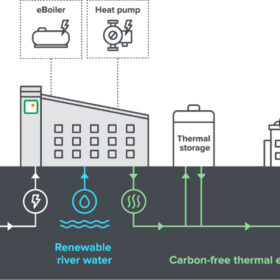
Work underway on ‘river’ heat pump complex in Massachusetts
The U.S’ largest district energy provider has started building a 35 MW heat pump complex in Massachusetts that will replace a natural gas boiler. The system will harness heat from the Charles River to produce carbon-free steam.

IFC plans investment in 97 Nigerian minigrids
International Finance Corp. (IFC) plans up to $16 million in financing for Nigerian developer Virtuitis to build and operate 97 solar minigrids, connecting more than 140,000 off-grid consumers by 2027.
