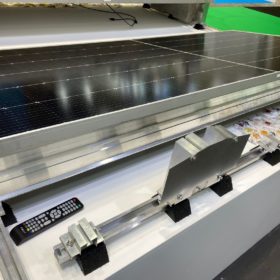
Mounting system for rooftop PV relying on large-size solar modules
Developed by Spanish manufacturer Alusín Solar, the new mounting system is claimed to be, currently, the only one on the market that provides six fixing points for a solar panel in ballast-secured structures.
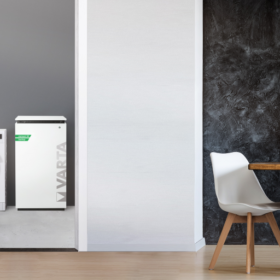
Varta releases residential battery with emergency power function
Varta’s Element Backup battery is available in three versions with storage capacities of 6.5 kWh, 13.0 kWh, and 19.5 kWh.
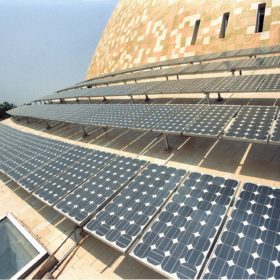
The outlook for residential rooftop solar in India
After near-stagnant annual growth for a couple of years, the rooftop PV market is showing signs of improvement, with traditional obstacles to installation no longer so daunting.

Germany deployed 4.42 GW of PV in first ten months of 2021
The country’s cumulative installed solar PV capacity has now reached 56.9 GW.
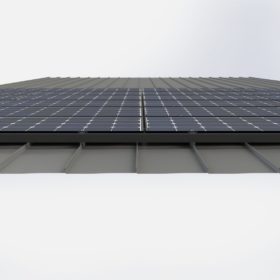
Module skirt for PV arrays built on seam metal roofs
The PVonceal module skirt protects all of a module’s electrical components while maintaining sleek aesthetics for the lifetime of the installation.
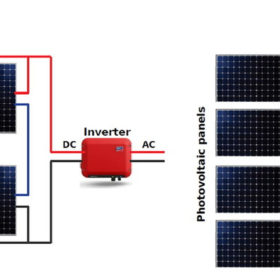
Micro-inverters vs. string/central inverters
A French research group has compared the performance ratio of 100 PV systems relying on micro-inverters with that of 100 installations relying on string/central inverters. It found the performance ratio is around 79% for both system typologies and that arrays with micro-inverters are more sensitive to environmental factors.
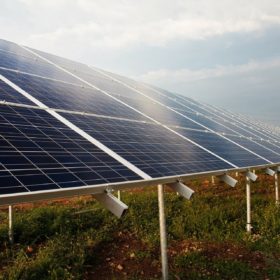
France deployed more than 2 GW of PV in first nine months of 2021
The country’s cumulative PV capacity reached 13.3 GW at the end of September. This year’s growth was triggered by a strong increase in utility-scale solar projects.

Poland may reach 30 GW of solar by 2030
The Eastern European country is expected to reach 10 GW of solar capacity by the end of 2022, according to the Polish research institute Instytut Energetyki Odnawialnej. This projected growth should materialize despite a strong contraction in the distributed generation segment.
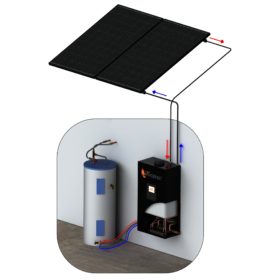
Solar heat pump solution for water, pool heating
U.S. solar thermal specialist Fafco is set to launch a new photovoltaic-thermal heat pump solution for water and pool heating. The system consists of photovoltaic-thermal panels, a 5 kWh thermal battery with a heat pump, and an electric hot water heater.
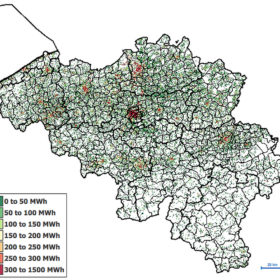
Belgium’s rooftop solar potential estimated at 99.6 GW
According to recent analysis by Belgian institute EnergyVille, rooftop PV and onshore wind have the technical potential to reach 118 GW of capacity in Belgium. Of the three Belgian macro-regions, Flemish-speaking Flanders is the one with the largest solar potential for rooftop systems, at 67.56 GW, followed by French-speaking Wallonia, with 31.54 GW, and the Brussels metropolitan region, with 4.23 GW.
